
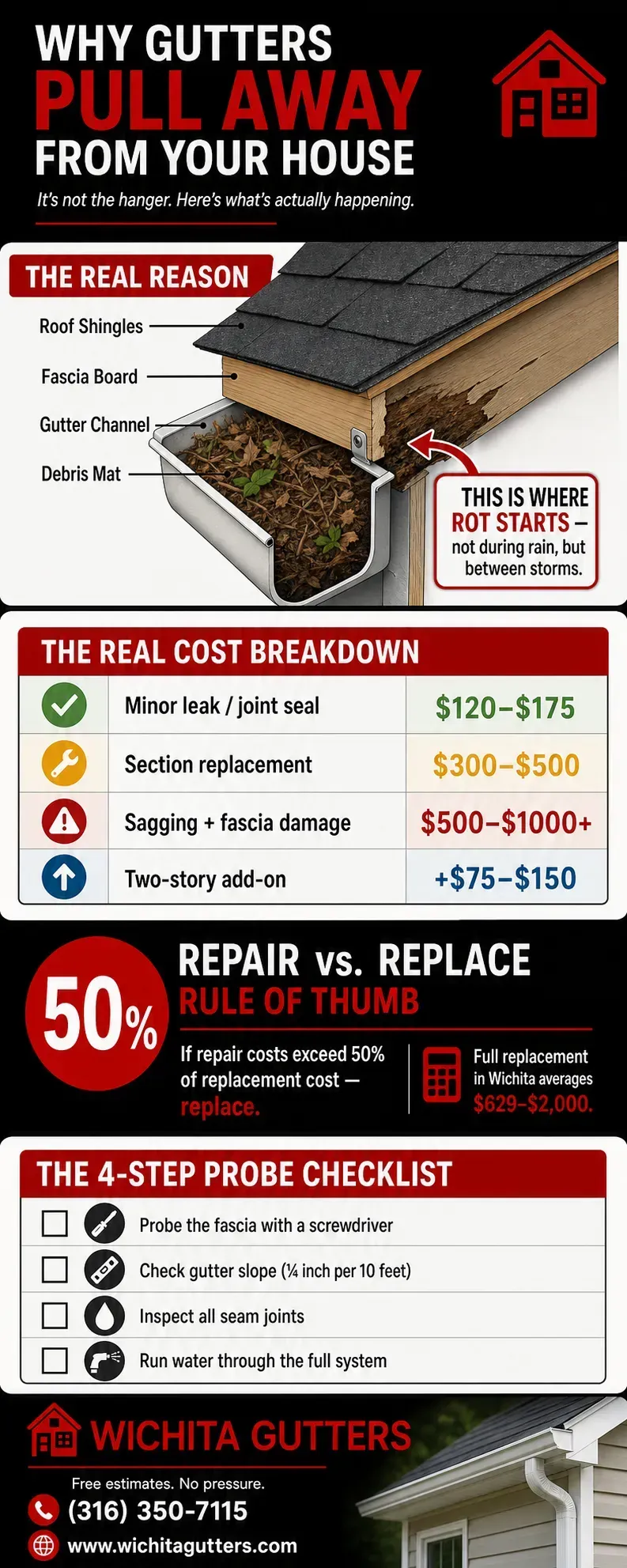
You noticed your gutters pulling away from the roofline a few weeks ago. Maybe you saw a water stain spreading down your siding after the last storm. Now you're getting quotes, and you're worried someone's going to tell you the whole system needs to go. Here's what most Wichita homeowners don't know before they call: the gutter itself is almost never the problem. The problem is usually behind it. Confusing those two things is exactly how a $200 gutter repair turns into a $1,500 job, or how you end up paying for a full replacement you didn't need. What You're Actually Paying For " Gutter repair " isn't one thing. The cost depends almost entirely on what type of repair is needed. Sealed joints and minor leaks: $120–$175. One cracked seam, cleaned and resealed. Quick job, holds for years if done right. Section replacement: $300–$500. A damaged run gets cut out and replaced. This is still a repair, not a full replacement. Sagging gutters with fascia damage: $500–$1000+. This is where costs climb. Once the fascia behind the gutter needs replacing, you're looking at $10–$23 per linear foot for that work alone, and it adds up fast on a 20-foot run. Fascia can end up being more depending on how much wood has rotted out. Two-story homes: Add $75–$150 to any of the above for the extra equipment and labor time. The national average sits around $390 , but that number means very little without knowing which repair type applies to your home. Why Gutters Pull Away From the House Most homeowners assume the hanger failed. It didn't. The screw is fine. The hanger is fine. The wood it's screwed into has turned soft, and a screw won't hold in soft wood no matter how many times you re-drive it. Here's why that happens. Wet leaf debris sitting in a gutter doesn't dry out between storms. It compresses into a mat that holds moisture against the fascia board continuously, not just during rain, but every day until that debris is removed. Your gutters bolt directly to the fascia, so the structural integrity of your entire gutter system depends on that wood staying firm. A gutter that drains fully after every storm causes almost no fascia damage. One that holds a packed debris mat between storms can rot a fascia board in a single wet season. That's why the same section keeps pulling away every spring after someone re-drives the screws without checking the wood behind it. The screw isn't the problem. The fascia is. Repair vs. Replacement: The Honest Answer A solid rule of thumb: if repair costs exceed 50% of full replacement, replacement is worth a serious look. Full gutter replacement on a typical Wichita single-story home runs $629–$2,000+. If repair quotes are pushing $600 on a system over 20 years old, replacement deserves a real conversation. But here's what most contractors won't say upfront: a lot of homes quoted for full replacement only need section repairs and fascia work on one or two runs. If the damage is isolated, one sagging section, one cracked joint, one failing miter corner, a targeted repair extends the life of the system for years. The question to ask any contractor: "Can you show me exactly what's failing and what happens if we repair only that section?" If they can't answer with specifics, get a second quote. One number worth knowing: a small leak repaired now runs $100–$150. Left until the fascia rots, that same problem runs $800–$1,500. The repair decision matters most when you make it early . What a Proper Repair Actually Looks Like A good repair starts before a single hanger is touched. First, probe the fascia . Press a screwdriver lightly against the fascia boards at several points along the roofline. Healthy wood is firm and solid. If it gives, sinks, or crumbles, the rot has gone too far to hold a new hanger, and that changes the scope of the job before any gutter work begins. Next, check the slope . Gutters should drop roughly a quarter inch for every ten feet toward the downspout. A flat or back-pitched gutter holds standing water no matter how clean it is, and standing water is what started the fascia problem in the first place. Then inspect the joints . On sectional gutters, every seam is a potential failure point. Resealing a joint properly means disassembling it, cleaning both surfaces, applying new sealant, and testing water flow. Applying sealant over a dirty old joint is exactly why those seams re-open six months later. Finally, run water through the full system before leaving. That five-minute check catches back-pitch and slow drainage problems that a visual inspection won't find. Gutter Repair Cost Story: A Wichita Homeowner in Woodland Hills A homeowner in Woodland Hills called after two companies told them the whole system needed to go. When we got up there, we found 40 feet of functional gutters and one 12-foot section where cottonwood debris had compacted solid over two seasons. The fascia behind that section had softened, but only there. We replaced the fascia on that run, reinstalled the gutter section with new hangers, and re-pitched an adjacent run that had gone flat. Total cost: under $475. The rest of the system had years of life left. What Gutter Repairs We See on Wichita Roofs Most homes in Wichita's older neighborhoods, College Hill, Riverside, Eastborough, and the midtown blocks built in the 1950s and 1960s, were installed with 4-inch sectional gutters. Those systems have 10 to 20 seam joints per side of the house. Every joint is a potential failure point that a seamless system simply doesn't have. The cottonwood and elm canopy across central Wichita drops heavy debris that compacts fast. One missed cleaning season can pack a channel tight enough that water overflows instead of draining. The wind here also physically flexes miter joints, the corners where two gutter runs meet, cracking the sealant even on gutters that look clean from the ground. We pull failed miter joints off homes that have been leaking onto the fascia corner for a full year without the homeowner knowing. Get a Clear Answer Before You Spend Anything If your gutters are sagging, pulling away, or leaving water stains on your siding, a free estimate will tell you exactly what you're dealing with, whether that's a $200 repair or a situation where replacement genuinely makes more financial sense. No obligation, no pressure to decide on the spot. Wichita Gutters serves Wichita and the surrounding area. 📞 (316) 350-7115 Or fill out the form below and we'll get back to you within one business day.
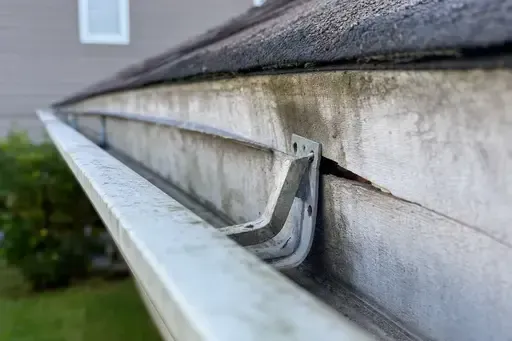
Bad gutter installs hide for 1–2 seasons before damage shows. Learn 5 specific signs your gutters were installed wrong, and how to check them yourself.
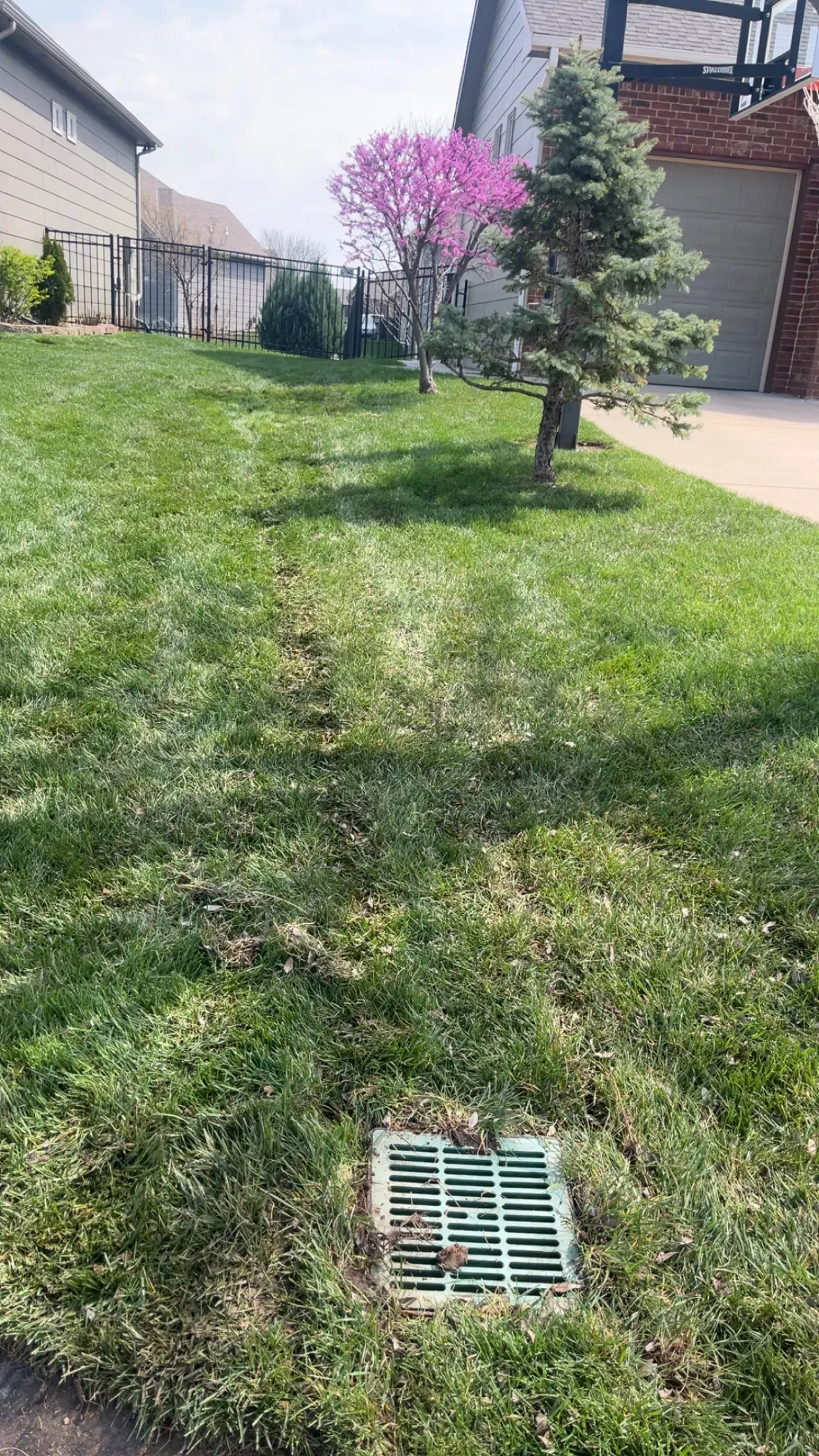
A lot of homeowners start asking the same question. Should I bury my downspouts? In many cases, yes. Installing professional underground downspout drain lines is one of the best ways to move roof runoff away from your home and keep water from becoming a bigger problem. It looks cleaner, works better, and can help protect your foundation. Still, it is not a one-size-fits-all answer. Before you start digging, it helps to understand the benefits, the drawbacks, and why proper installation matters so much in Wichita, KS. The Pros and Cons of Burying Gutter Downspouts Burying gutter downspouts means connecting your downspouts to an underground drainage system that carries rainwater away from your house. Instead of water dumping onto a splash block or plastic extension, it travels through buried pipe to a safer discharge area. For a lot of homes, that is a smart move. But like any home upgrade, there are things to weigh before deciding. The Benefits of Underground Drains The biggest benefit is simple. Buried drains take water away from the house fast. In Wichita, that matters more than many homeowners realize. Our area gets strong rain, heavy wind, and quick weather swings. One storm can dump enough water to turn a dry yard into a mess. If your gutters and downspouts are doing their job, they collect that roof water. But if the water still lands right by the foundation, the problem is only half solved. That is where underground drains help. Better foundation protection One of the biggest reasons to bury downspouts is to protect the foundation. Wichita homes often deal with clay-heavy soil. Clay acts a little like a sponge. When it gets wet, it expands. When it dries out, it shrinks. Over time, that movement can put stress on a foundation. A gutter expert once explained it in a way that stuck with me. He said your home should not sit in a “bathtub ring” of wet soil every time it rains. That picture makes sense. If downspouts keep dumping water at the base of the house, the soil around the foundation stays too wet, and that repeated swelling can cause trouble. Underground downspout drains move water farther away, which helps keep moisture levels more even around the home. Cleaner curb appeal There is also the appearance side of things. Above-ground extensions are not pretty. Most people tolerate them, but few actually like how they look stretched across the lawn or curled around a flower bed. Buried downspouts hide the working parts underground, so the outside of the house looks cleaner and more finished. If you take pride in your landscaping, this can make a big difference. Mulch stays in place better. Soil erosion is reduced. Flower beds do not get hammered every time it rains. One homeowner in the Wichita area described it perfectly after upgrading both gutters and drainage. Before, every storm carved little channels through the mulch like tiny rivers. After the drains were installed, the beds stayed put. Fewer tripping hazards This is a smaller point, but it matters. Above-ground extensions can become a real tripping hazard, especially along walkways, driveways, and side yards. Kids running through the yard, guests walking around the house, or even just carrying groceries past the side of the home can catch a foot on them. Buried lines get those obstacles out of the way. The Drawbacks to Consider Burying your downspouts is a good idea for many homes, but it is not perfect. There are a few things homeowners should know before moving forward. Maintenance still matters A buried pipe is not “install it and forget it forever.” If leaves, shingle grit, and roof debris wash into the system, the line can clog over time. That can lead to slow drainage, backups, or overflowing gutters during a storm. This is why the gutter system above the drain line matters too . Clean gutters and well-designed guards can help keep debris out of the underground drain. If your gutters are already packed with leaves, burying the downspouts without fixing that first is a little like putting a lid on a messy closet. The problem is still there. Winter freezing is a real concern in Kansas Wichita weather can be rough on drainage systems. Hot summers, freezing winter nights, spring storms, and everything in between mean your system needs to be built for local conditions. If underground drain lines are not sloped correctly, water can sit in the pipe. During a Kansas freeze, that trapped water can freeze, expand, and create blockages. Then when the next melt or rain event comes through, water has nowhere to go. This is one of the biggest reasons professional installation matters. A good drainage system needs proper pitch, the right outlet, and the right layout for the property. The upfront cost is higher There is no getting around it. Underground downspout drains cost more than basic splash blocks or plastic extensions. There is digging involved. There are materials, fittings, and planning. The route has to make sense for your yard. The water needs a safe place to discharge. So yes, the initial investment is higher. But many homeowners see it as paying now to avoid bigger costs later. Foundation repairs, basement moisture problems, landscape damage, and fascia rot can all get expensive fast. In that light, a drainage system can feel less like an extra and more like protection. Alternatives to Burying Your Downspouts Not every homeowner is ready for underground drains right away. Maybe the budget is tight. Maybe you are fixing things one step at a time. That is okay. There are other options that can help, even if they are not as complete. Above-Ground Downspout Extensions These are the most common budget option. They attach to the bottom of the downspout and carry water farther away from the house across the grass. They are cheap and easy, which is why so many people use them. But they also come with some clear downsides. They can crack, shift out of place, get crushed by lawn mowers, and create tripping hazards. They also tend to look a bit temporary. For some homes, they are a decent short-term fix. For others, they are just the thing you keep meaning to replace. Rain Barrels and Splash Blocks Rain barrels can help collect some roof runoff, and splash blocks can direct water a little farther from the foundation. These tools can be useful for lighter rainfall and smaller drainage needs. The issue is that Wichita storms are not always light. During a heavy spring thunderstorm, a rain barrel can fill quickly and a splash block can only do so much. When water is really coming down, these options are often overwhelmed. Think of them like a small bucket under a fast leak. Helpful for a while, but not enough when the flow gets serious. French Drains French drains are often mentioned in the same conversation, but they solve a different problem. A French drain is meant to manage groundwater and saturated soil. Buried downspout drains are meant to carry roof water away from the gutter system. That said, they can work together really well. If a yard has poor drainage and roof runoff issues, combining underground downspout drains with a French drain system can be a smart way to handle water from more than one source. At Wichita Gutters, services like underground drains , French drains , trench drains , catch basins , and downspout drain lines all work toward the same goal: keeping water where it belongs. Should You Hire a Professional for Gutters and Drains in Wichita, KS? In most cases, yes. Burying your downspouts is usually a very good idea, especially in Wichita, KS where storms, clay soil, and winter freezes can all make drainage issues worse. Done right, underground downspout drains protect your foundation, improve your yard, reduce erosion, and give your home a cleaner look. But the phrase “done right” is the key. A DIY setup can go wrong in ways that are not obvious at first. If the pipe does not have enough slope, water can sit and freeze. If the outlet is poorly placed, water may drain right back toward the house. If debris control is ignored, the whole line can clog. In some cases, bad drainage work can actually make foundation problems worse instead of better. That is why homeowners often call in a pro after trying to patch the issue piece by piece. One local homeowner thought the problem was just a leaky gutter, but the real issue was water soaking the area around the home and finding its way inside. Another found that pairing gutters with better drainage finally stopped water from reaching the basement. Those stories are common because water problems often start small, then grow quietly. If your downspouts dump too close to your house, your yard stays soggy after storms, or you are tired of dealing with ugly extensions, it may be time for a real solution. Wichita Gutters installs drainage systems designed for local homes, local weather, and the way water actually moves across a property. Stop letting runoff hang around your foundation. Contact Wichita Gutters - (316) 350-7115 for a professional assessment of your gutters, downspouts, and drainage system, or request a free quote to get started.

Picture this: It is the middle of a classic Midwest spring storm. The rain is coming down in sheets, the wind is howling, and you are staring out your window watching a small lake form right in your front yard. Even worse, that water is creeping closer and closer to your foundation. If you are like many homeowners in Wichita, your first thought might be, "I need to put an underground drain out there to get rid of this water!" But hold on a second. Before you start digging up your lawn, you have to look up. Should you fix your roof drainage (your gutters) before you fix your ground drainage (your underground drains)? It is a common debate, but the answer is incredibly important if you want to protect your property value and keep your foundation safe. While both systems are essential for a dry, healthy home, the condition of your current gutters dictates the order of operations. In short: water flows from the top down. If your gutters are failing , your new underground drains will not be able to do their job . Let’s break down exactly why your gutters need to be in top shape before you break ground. The Crucial Link Between Gutters and Underground Drains How a Complete Water Management System Works Think of your home’s water management system like a relay race. In a relay race, every runner has to do their part perfectly, or the whole team loses. Your gutters are the first runner. Their job is to catch the rain as it rushes off your roof. The downspouts are the second runner, taking that water and directing it safely down the side of your house. Finally, the underground drain is the anchor—the final runner who takes the baton (the water) and carries it far away from your yard and foundation. If the first runner drops the baton, the anchor never even gets a chance to run. An underground drain is only as effective as the gutter system feeding water into it. If your gutters are leaking, overflowing, or sagging, the water will just spill over the sides and crash right next to your foundation. It will completely bypass the underground drain you just spent good money to install. To win the race against water damage, the whole system has to be connected and working together flawlessly. Signs You Need Gutter Repair or Gutter Replacement First Evaluating Your Current Seamless Gutters Before you call someone to dig a trench in your yard, take a walk around your house the next time it rains. Your gutters will usually tell you if they are struggling. Look for visual cues. Are your gutters sagging in the middle like a tired hammock? Are they pulling away from the fascia board (the wooden board right under your roofline)? Do you see patches of rust, or are there visible holes where water is dripping through? These are all red flags. You also need to look for performance cues. If water is overflowing the sides of the gutters like a miniature waterfall during a storm, that means they are either clogged, improperly pitched, or simply too small to handle the amount of rain hitting your roof. Gutter Repair vs. Full Gutter Replacement Not every gutter problem means you need a brand-new system. Sometimes, a simple gutter repair is enough to get things flowing right so you can proceed with your underground drains. If we come out and see that you just need some corners resealed, a few loose hangers re-secured, or a minor pitch adjustment, we can fix that up quickly. However, there are times when a full gutter replacement is absolutely mandatory. For example, if your home still has old, undersized 4-inch gutters, they simply cannot handle heavy Kansas downpours. If there is extensive damage from a past hail storm, or if the gutters were installed with the wrong pitch and hold standing water, it is time for an upgrade. Trying to hook a broken, undersized gutter up to a brand-new underground drain is like trying to put a lawnmower engine in a sports car—it just will not work. Why Wichita KS Weather Demands Flawless Drainage Combating Heavy Storms and Expansive Clay Soil If you live in Wichita, Derby, Andover, or anywhere in Sedgwick County, you know our weather does not mess around. We get heavy spring downpours that can drop inches of rain in a matter of hours. These sudden deluges can easily overwhelm weak, old, or undersized gutters. But the rain is only half the problem. The real danger lies in the dirt beneath our feet. Kansas is known for its expansive clay soil. Think of this soil like a giant sponge. When it gets wet, it swells up and expands. When we hit a dry spell in the summer, it shrinks and cracks. If your gutters are leaking and dumping water right next to your house, that clay soil absorbs it and expands, putting massive pressure on your foundation walls. Over time, this pushing and pulling causes foundations to crack, bow, and leak. A flawless drainage system keeps the moisture levels around your foundation consistent, protecting your biggest investment. Preventing Winter Ice Dams and Freezing Pipes Our weather swings don't stop in the summer. Wichita winters bring freezing rain, snow, and ice. If your gutters are not functioning properly, water can get trapped and freeze, creating heavy ice dams that tear gutters right off your house and push water up under your roof shingles. Furthermore, if poorly functioning gutters are hooked up to shallow underground drains, that slow-moving, trickling water can freeze solid inside the pipes. When water freezes, it expands, which can cause your underground pipes to burst. Proper gutters ensure water flows quickly and completely out of the system before it has a chance to turn to ice. The Risks of Installing Underground Drains With Failing Gutters Wasting Your Investment We have seen it happen too many times. A homeowner gets tired of a muddy yard, so they hire a landscaper to install a beautiful French drain or underground catch basin. They spend thousands of dollars on the project. But the next time it rains, their basement still floods. Why? Because they didn't fix their gutters first. If your gutters overflow before the water ever reaches the downspout, those shiny new underground drains will sit completely empty while your foundation takes a beating. It is incredibly frustrating to spend your hard-earned money on a home improvement project only to find out it didn't solve the problem. Fixing the roof drainage first ensures that every drop of water actually makes it into the ground drainage system. Debris Clogs and Underground Blockages There is another massive risk to ignoring your gutters: debris. Old gutters that lack proper pitch or high-quality leaf guards act like a collection bin for leaves, twigs, helicopter seeds, and shingle grit. When a heavy rain finally washes all that junk down the downspout, where does it go? Right into your new underground drain. Flushing heavy debris into an underground pipe is like pouring bacon grease down your kitchen sink. Eventually, it is going to cause a massive, stubborn clog. Cleaning out an underground pipe is difficult and expensive, and if it gets completely packed with rotting leaves and mud, you might have to dig the whole thing up and start over. Step-by-Step: Coordinating Gutter Replacement and Underground Drains Step 1: Upgrade to Properly Sized Gutters and Downspouts The first step in building a bulletproof water management system is making sure your home can handle the volume of water coming off the roof. At Wichita Gutters, we highly recommend upgrading to 5-inch or 6-inch seamless gutters. Seamless gutters are custom-cut on-site to fit your home perfectly, meaning there are no weak joints where leaks can form. The larger 5-inch and 6-inch sizes act like a superhighway for rainwater, easily handling the heavy volumes of Kansas storms without overflowing. We pair these with oversized downspouts to get the water off your roof as fast as possible. Step 2: Install Leaf Guards If you are going to connect your downspouts to an underground drain, leaf guards (or gutter guards) are not just a luxury—they are a necessity. Think of gutter guards as the bouncers at an exclusive club. They let the water in, but they kick the leaves, twigs, and pests to the curb. By keeping debris out of your gutters, you ensure that only clean, clear water flows down into your underground drains. This is the absolute best secret to keeping your underground pipes flowing freely for decades without expensive clogs. Step 3: Trench and Connect the Underground Drains Once the new, high-capacity seamless gutters and leaf guards are locked in place, it is time for the final step. This is where the ground drainage comes in. A trench is dug sloping away from your home. The high-capacity downspouts are then securely connected to solid PVC or heavy-duty corrugated underground pipes. Because the gutters are doing their job perfectly, the water shoots down the spout, enters the underground pipe, and is safely carried out to a pop-up emitter in the yard, a dry well, or the street. The relay race is complete, and your home wins. Conclusion: Protect Your Wichita Home from the Top Down When it comes to protecting your home from water damage, you always have to think from the top down. Underground drains are fantastic tools for keeping your yard dry and your foundation safe, but they are completely useless if the water never reaches them. Always ensure your gutters are in peak condition—whether through a professional repair or a full seamless replacement—before you invest in underground drainage. Don't wait until the next big storm floods your yard or basement to find out your system is failing. Let’s take care of your home together. Contact Brandon and the local experts at Wichita Gutters today for a free, no-obligation inspection. We will help you figure out exactly which step your home needs first. Call us now at (316) 350-7115 to book your free quote!
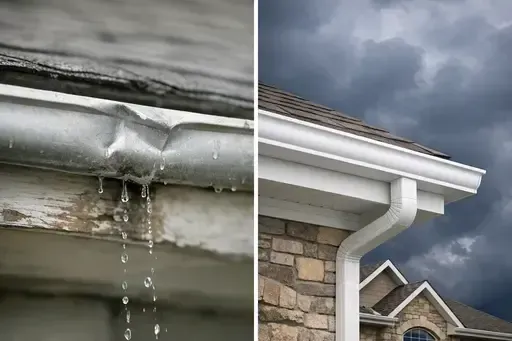
Picture this: it is a Tuesday night in late April. The sky over the neighborhood turns that eerie, bruised shade of green, the thunder rattles your living room windows, and a heavy spring downpour starts hammering your roof. As you sit safely inside on the couch, listening to the wind howl, you might find yourself wondering, is my home actually protected from all this water? We rarely think about our roof drainage systems until something goes wrong and water is spilling over the edges like a broken fountain. But knowing the average lifespan of your residential system is crucial. These metal channels are the unsung heroes of your home. They quietly do the heavy lifting to keep your foundation solid, your basement dry, and your roofline free from rot. If you own a home here in the local area, you already know how important it is to protect your property value and avoid massive water damage bills. Living here means dealing with a truly unpredictable climate. We get baked by intense summer heat, battered by severe spring hail and wind storms, and frozen by winter ice. These wild weather swings put a massive amount of extra stress on your home's exterior. Let's talk about how long your system can actually survive these extremes, what materials work best, and what you can do to help them last longer. If your home has suffered from water damage, see our gutter repair and Gutter installation services, as we would be happy to help! How the Unpredictable Climate in Wichita KS Affects Your Gutters Living in Wichita KS is always an adventure, especially when it comes to the weather forecast. One day you are wearing shorts to a backyard barbecue, and two days later you are scraping a thick layer of ice off your windshield. This rollercoaster climate does more than just confuse our weekend plans; it actively attacks your home’s exterior day in and day out. Let's start with the wind. Out here on the plains, the wind doesn't just blow; it roars. Those intense, straight-line winds that sweep across the state can easily grab hold of loose edges. Over time, the constant tugging and vibrating loosens the hidden metal fasteners and pulls the system away from your home's wooden fascia board. Before you know it, a whole section is hanging on by a single screw. Then comes the spring storm season. Spring in Kansas means thunderstorms, and thunderstorms frequently bring hail. Imagine someone standing on your lawn throwing golf balls at your roof for ten minutes straight. That heavy hail can dent, crack, or completely compromise the structural integrity of the system. Even small dents are a problem because they create low spots where rainwater pools up instead of flowing smoothly down to the drain. Finally, we have to deal with the brutal winter freeze-thaw cycle. Snow melts on your roof during a sunny afternoon, runs down to the edges, and then freezes solid when the sun goes down and temperatures drop. This creates massive ice dams. Ice is incredibly heavy. It acts like a concrete block, weighing down the troughs, warping the metal, and pulling the whole system away from the roofline. When you combine the summer heat, the high winds, the hail, and the heavy ice, it is easy to see why our local weather is the ultimate test for your home. The Average Lifespan of Different Types of Gutters So, with all that intense weather beating down on your house year after year, how long can you expect your system to hold up? The answer really depends on the materials you choose to install. Not all gutters are built the same, and picking the right material makes a huge difference in how long they survive our local climate. Aluminum (Lasts about 20 years): This is by far the most popular choice for homeowners today, and for good reason. Aluminum is very lightweight and naturally resists rust, which is fantastic for our heavy rain seasons. Because it doesn't rust, it can easily last two decades if kept clean. However, because aluminum is a slightly softer metal, it is definitely susceptible to those nasty hail dents we talked about earlier. Galvanized Steel (Lasts 20 to 30 years): If you want something a bit tougher, galvanized steel is a solid step up. These gutters are highly durable against flying tree branches and strong winds. They hold their shape incredibly well. The trade-off? Because they are made of steel, they can eventually rust over time. If the protective zinc coating gets scratched by debris, heavy rain and sitting snow will cause rust spots to form. Copper (Lasts 50+ years): Copper is the ultimate luxury option. It looks absolutely beautiful, adding a unique, high-end charm to your home as it ages and turns a classic green color—just like an old penny. It is highly durable in absolutely all weather conditions, never rusts, and can last a lifetime. The only catch is the price tag; it is a very expensive, premium option. Vinyl (Lasts 10 to 20 years): Vinyl is often the cheapest option upfront at the hardware store, but it really struggles in our specific climate. Think about a plastic toy left out in the yard all year. The plastic material becomes brittle and is prone to snapping during our freezing winter nights. Then, it can warp and bend when baked by the intense summer sun. While they might save you a few dollars today, vinyl gutters usually need replacing much sooner than any metal option. Common Signs You Need Gutter Repair Before the Next Storm You never want to wait until water is actively flooding your basement to realize you have a drainage problem. Catching small issues early is the secret to protecting your home and your wallet. Here are a few clear signs that you need a professional gutter repair before the next dark cloud rolls into town. Visible Sagging or Pulling: Step back into your yard and look up at your roofline. Do the horizontal troughs look like they are dipping in the middle or leaning away from the house? This sagging is often caused by the heavy weight of winter ice dams or years of wet, rotting leaves sitting in the channel. Once they start to pull away from the wood, they need immediate re-securing before a strong wind rips them off completely. Leaks and Water Marks: Take a walk around the outside of your house the day after a rainstorm. If you see dark water marks on the wood right behind the system, or if you notice puddles of water pooling on the ground right next to your foundation, you have a problem. This usually points to failing seams or stubborn clogs that are forcing water to spill over the wrong edges. Water sitting at your foundation can cause the concrete to crack over time. Rust and Peeling Paint: Do you notice any orange rust spots on the metal, or peeling exterior paint on your home's siding? That means water is constantly overflowing or sitting stagnant where it shouldn't be. Constant moisture will slowly eat away at your home's exterior paint and wood. The good news? Getting a timely gutter repair can save you a ton of stress. Fixing a loose hanger, sealing a leaky corner, or re-sloping a sagging section today can save you from needing a premature, full replacement tomorrow. When is it Time for a Full Gutter Replacement? Sometimes, a simple fix just isn't enough. There comes a point where patching up old problems is like putting a tiny bandage on a broken leg—it just doesn't solve the real issue. So, how do you know when it is finally time to stop patching and invest in a full gutter replacement ? Beyond Repair: Every home system has a tipping point. If you find yourself constantly calling someone out to patch new leaks, reattach sections that keep sagging, or replace rusted bottoms, you are throwing good money after bad. When the cost of constant, annoying repairs starts adding up year after year, a fresh, brand-new installation is simply more cost-effective and gives you peace of mind. Severe Storm Damage: Mother Nature can sometimes make the decision for you. A massive spring hail storm or a close call with high-speed winds can crush your system overnight. In these cases of sudden, severe damage, an immediate gutter replacement is necessary to protect your home from the very next rainstorm. The silver lining here is that this kind of sudden, severe storm damage is often covered by your homeowners insurance policy. Upgrading to Seamless: If your old sectional system is failing, it is the perfect time to upgrade. Moving to seamless gutters is a total game-changer for homeowners. Instead of snapping small pieces together like a puzzle, seamless systems are custom-cut from one continuous piece of metal right in your driveway. Because there are no joints or seams in the middle of the run, there are far fewer places for leaks to start. This gives you much better durability and reliable water flow in the harsh Kansas weather. Conclusion To wrap things up, while a standard aluminum system generally lasts about 20 years, our extreme local weather can significantly alter that timeline. From blistering summer heat to heavy winter ice and spring hail, your home's exterior takes a serious beating year after year. The real secret to getting the most life out of your system is proactive maintenance. Keeping them clean, clearing out the fall leaves, and fixing small issues early will help them protect your foundation and roof for decades. Don't wait until the next big thunderstorm to find out your system is failing. As a locally owned and operated business right here in town, Wichita Gutters is here to help. I'm Brandon, and my team and I have over 10 years of experience protecting homes just like yours across Wichita, Derby, Andover, and beyond. Give us a call today at (316) 350-7115 to schedule a professional inspection, a quick repair, or to get a free, same-day quote for a replacement. Let's make sure your home is ready for whatever the Kansas skies throw our way!

Picture this: a classic Midwest thunderstorm just rolled through Wichita. The wind was howling, the rain was coming down sideways, and now that the sun is finally peeking out, you walk outside to check on your house. That’s when you see it—a piece of trim hanging loosely from the edge of your roof, flapping in the breeze like a broken wing. If you own a home in Kansas, you already know that protecting it means battling high winds, sudden hail, and those wild seasonal shifts that keep us all on our toes. When your roofline takes a hit, fixing it quickly is a top priority. But if you’ve never dealt with this kind of damage before, you’re probably wondering: How long does soffit and fascia repair actually take? It is a great question. While the timeline can vary depending on how bad the damage is, most repairs can be wrapped up in just a few days. In this guide, we are going to walk through exactly what soffit and fascia are, what the repair process looks like, and how long you can expect the job to take so you can get your home back to normal. Understanding Soffit and Fascia Repair in Wichita KS Before we talk about how long it takes to fix them, let’s quickly clear up what the soffit and fascia actually are. Think of them as the dynamic duo that protects the edge of your roof. The fascia is the long, forward-facing board that runs right along the lower edge of your roof. If you stand in your yard and look at your gutters, the fascia is the board that your gutters are attached to. It acts like a shield, keeping water from getting into your roof deck. The soffit , on the other hand, is the underside of your eaves. If you stand directly under your roof’s overhang and look straight up, you are looking at the soffit. Together, these two play a massive role in keeping your home safe. The soffit provides critical attic ventilation, keeping fresh air flowing so moisture doesn't build up and cause mold. The fascia supports your gutters and seals off the roofline. Both of them work together to keep local pests—like squirrels, birds, and mice—from turning your warm attic into their new winter condo. When we talk about a "repair," it usually means a contractor will come out, remove the rotted wood or cracked vinyl, treat the area to make sure no moisture is trapped inside, install fresh, durable materials, and seal everything up tight. It sounds simple, but it is a precise job that requires a good eye. Factors Affecting Soffit and Fascia Repair Time in Wichita Kansas So, why does one repair take an afternoon while another takes a whole week? It all comes down to a few key factors. The Extent of the Damage There is a big difference between a small patch job and a major overhaul. If a single piece of vinyl soffit got blown off by a strong gust of wind, popping a new one into place is a quick fix. But if you have extensive wood rot because a leaky gutter has been dripping onto your fascia board for three years, that is a different story. Rotted wood has to be completely cut out and replaced, which takes much more time. Material Types The materials your home uses will also change the timeline. Repairing or replacing traditional wood takes longer. The wood has to be measured, cut, painted, and sealed to match your home perfectly. On the flip side, if your home uses prefabricated aluminum or vinyl pieces, a contractor can often snap those into place much faster. Home Architecture and Accessibility Let’s be honest: working on a roof is tough, and some houses make it tougher than others. If you have a single-story home with a gentle roof slope, contractors can set up their ladders and get right to work. But if you live in a multi-story home, or if your roof has a very steep pitch, the crew will need to set up scaffolding and extra safety harnesses. Hard-to-reach eaves naturally add hours—or even days—to the project timeline. Hidden Damage This is the wild card. Sometimes, what looks like a simple fascia repair turns into a bigger project once the old boards are pulled off. Contractors might find that the rot has spread past the fascia and into the ends of your roof rafters. Or, they might discover that your gutters are failing and need to be realigned or replaced. Fixing these hidden surprises is crucial for your home’s safety, but it does extend the time the job takes. The Typical Timeline for Soffit and Fascia Repair in Wichita KS Every house is unique, but having a general timeline in mind can help you plan your week. Here is a breakdown of what you can expect when you hire a professional. Minor Repairs (1 Day) If you just need to replace a few blown-off soffit panels or swap out a small, two-foot section of rotted fascia board, you are in luck. A skilled local crew can usually knock this out in a single afternoon. They will remove the damaged pieces, cut the new ones to size, secure them, and clean up before dinner time. Moderate Repairs (1–3 Days) Most jobs fall into this category. If you need to replace larger sections of fascia, address some minor wood rot, and maybe take down and realign your gutters in the process, expect the job to take one to three days. This gives the crew enough time to safely remove the old materials, ensure the underlying structure is sound, and install the new boards and vents properly. Major Overhauls (3–5+ Days) If you are doing a full house replacement, fixing extensive structural water damage, or working on an older, historic home, the timeline stretches out. For example, if you live in one of the beautiful historic homes in College Hill, custom-cutting and painting wood to match the original architecture takes serious craftsmanship and time. A major overhaul like this usually takes three to five days, sometimes a bit longer if the weather doesn't cooperate. The Inspection Phase Don't forget to factor in the time it takes to get the project started! Before any hammers swing, you need an inspection. At Wichita Gutters, we pride ourselves on offering same-day estimates, but getting on the schedule for the actual work usually takes 5 to 7 business days during normal seasons. Why Wichita Kansas Weather Makes Prompt Soffit and Fascia Repair Crucial Living in Sedgwick County means we get to experience all four seasons—sometimes all in the same week! But that unpredictable weather is exactly why you cannot afford to ignore a damaged roofline. During the spring and summer, we get hit with severe thunderstorms, heavy hail, and straight-line winds. A loose piece of soffit might not seem like a big deal on a sunny Tuesday, but when a 60-mph wind gust rolls through on Thursday, it can easily rip that panel right off your house. Once that barrier is gone, rain blows straight into your attic. Winter brings its own set of headaches. Freezing temperatures and snow can lead to ice dams. When water freezes and backs up under your roofline, it sits directly against your fascia boards. If those boards are already weak or damaged, the ice will force its way in, causing the wood to rot from the inside out. The cost of delaying these repairs is steep. Ignoring a small soft spot on your fascia allows Wichita's humid summers and wet springs to invite mold into your attic. It compromises your home's structural integrity and lets your expensive heating and cooling escape through the gaps, driving up your energy bills. Fixing it promptly is like putting a band-aid on a small cut before it turns into a major infection. Conclusion To wrap things up, soffit and fascia repair usually takes anywhere from 1 to 5 days, depending entirely on the severity of the damage, the materials used, and the size of your home. While minor fixes are a breeze, finding hidden rot can add a little extra time to the clock. Whatever you do, don't wait for the next big Kansas storm to test your compromised roofline. Water damage moves fast, and a small repair today is always cheaper than a major overhaul tomorrow. If you are noticing sagging gutters, peeling paint, or missing panels, let’s take care of your home. Call Wichita Gutters today at (316) 350-7115 or email us at wichitaksgutters@gmail.com for a free, fast, same-day estimate on your soffit and fascia repair!
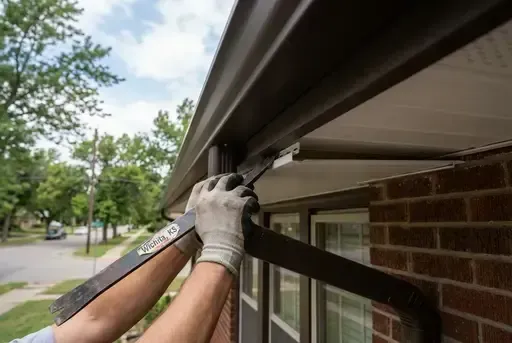
Let’s be honest for a second. Nobody—and I mean nobody—wakes up on a Saturday morning excited to deal with roofline repairs. It’s one of those jobs that sits on the "honey-do" list for months, mostly because it sounds like a massive headache. If you’ve noticed a piece of soffit dangling under your eaves or seen a dark spot that looks like rot, your first thought was probably panic. You might be thinking, "Do I have to rip down all my gutters just to fix this one little piece of wood or vinyl?" I’ve been in the gutter business here in Wichita for over 10 years, and I hear this question constantly. It makes sense. Removing seamless gutters is a huge chore. They are heavy, long, and easy to bend if you don’t know what you’re doing. The idea of taking them down just to slide in a new piece of soffit feels like using a sledgehammer to crack a nut. The Direct Answer: Yes, in many cases, you absolutely can repair or replace soffit panels without taking down your gutters. However—and this is a big "however"—it depends entirely on what’s happening underneath. If the wood fascia board holding your gutter is healthy, you’re in the clear. If it’s rotted, we have a different conversation. Living here in Wichita, we deal with a unique mix of weather. We get those heavy spring rains, high winds that rattle everything loose, and freeze-thaw cycles that expand and contract your home’s materials. This weather is tough on your eaves. That’s why soffit repair in Wichita KS is such a common need. Let’s break down how you can get this fixed without turning your weekend into a nightmare. Understanding the Basics of Soffit Repair in Wichita KS Before we talk about fixing it, let’s make sure we’re all looking at the same thing. I know construction terms can get mixed up, so let’s keep it simple. The soffit is the exposed surface underneath the overhanging section of a roof eave. If you stand directly under your roof and look straight up, you are looking at the soffit. It’s usually made of vinyl, aluminum, or wood. It’s not just there to look pretty. Soffit is actually critical for your home’s health. It usually has vents (little holes or slits) that allow air to flow into your attic. This airflow keeps your attic cool in the summer and prevents moisture buildup in the winter. Without good soffit, your attic turns into a sauna, cooking your shingles from the bottom up. The Anatomy of the Eave To understand the repair, you have to picture how it’s put together: The Fascia: This is the vertical board that runs along the edge of the roof. Your gutters are nailed or screwed directly into this board. The J-Channel: This is a piece of trim shaped like the letter "J" that holds the edges of the soffit in place. The Gutter: This hangs on the front of the fascia. Usually, the soffit slides into a channel near the wall and rests on top of the fascia board (or into another channel) behind the gutter. Because the gutter is right in front of it, it blocks direct access. That’s why people assume the gutter has to come down. In Wichita, this setup is tested constantly. High humidity can cause wood soffits to swell. Strong winds can rip vinyl panels out of their tracks. When that happens, you open the door to squirrels, birds, and water damage. That’s why staying on top of soffit repair in Wichita KS is so important. The Method: How to Handle Soffit Repair in Wichita KS Without Removing Gutters So, you have a damaged panel. Maybe the wind knocked it loose, or maybe a raccoon tried to make an entrance. If the fascia board behind the gutter is solid, you can use a technique I like to call the "Slide and Flex." Here is how the pros handle a simple soffit swap without touching the gutters: 1. The Fascia Cover Trick Most modern homes in places like Derby, Andover, and Park City have aluminum fascia covers (trim) over the wood board. This trim usually has a bottom lip that holds the soffit up. You can often gently unhook this bottom lip. Once that lip is loose, the soffit panel isn't trapped anymore. You don't have to remove the gutter to unhook the bottom lip of the fascia trim; you just need a little patience. 2. Bending the J-Channel If you have vinyl soffit, it’s flexible. That’s the beauty of it. You can often bend the J-channel (the track against the house) just enough to wiggle the old panel out. It takes a bit of finesse—you don't want to snap the plastic—but it works. 3. Tools Required You don’t need a whole workshop for this. Usually, a few basic tools will do the trick: Pry Bar or Flathead Screwdriver: To gently pry open the trim. Tin Snips: If you are cutting new aluminum or vinyl panels to size. Utility Knife: For scoring and snapping vinyl. Circular Saw: If you are working with wood soffit (though that’s a harder job to do with gutters up). The Benefit Why go through the trouble of wiggling panels around? Simple: It saves you time and money. Removing a seamless gutter system often ruins it. Seamless gutters are custom-made to be one long piece. If you take a 40-foot gutter off the house, it’s almost impossible to keep it from bending or kinking. Once it kinks, it’s trash. By leaving the gutter up, you avoid the risk of having to buy a whole new gutter system. When Simple Soffit Repair in Wichita KS Isn't Enough (The Gutter Factor) Now, I have to be the bearer of bad news for a minute. There is one scenario where you absolutely cannot leave the gutters up. Rotten Fascia. Remember, the gutter hangs on the fascia board. The soffit attaches to the fascia board. If you go to replace your soffit and you realize the wood board behind it is soft, mushy, or crumbling, you have a bigger problem. The Hidden Danger of "Punk Wood" In the trade, we call rotted wood "punk wood." It has the consistency of a wet sponge. If you poke it with a screwdriver and it sinks right in, that wood is dead. You cannot nail a new soffit panel to rotten wood. It won’t hold. The wind will blow it away in the next Kansas storm. More importantly, if the fascia is rotten, your heavy gutters are hanging on by a thread. I’ve seen heavy ice storms in Wichita pull entire gutter systems off of houses because the wood behind them was too rotten to hold the screws. The Verdict If you find rot during your inspection for soffit repair in Wichita KS, the project scope has to expand. You must take the gutters down, rip out the rotten wood, install new lumber, wrap it, and then reinstall the gutters. It’s more work, but it’s the only way to ensure your home is actually protected. Common Materials Used for Soffit Repair in Wichita KS When we are out fixing homes from Goddard to Haysville, we see three main types of materials. Choosing the right one depends on your budget and how much maintenance you want to do. 1. Vinyl Soffit This is the most common choice for newer homes. It’s affordable, it doesn’t rot, and it comes in vented panels that are great for airflow. However, in our extreme Kansas weather, cheap vinyl can sometimes crack in the bitter cold or warp if it’s near a window that reflects intense sunlight. 2. Aluminum Soffit I love aluminum for Wichita homes. It’s tough. It doesn’t rust, it’s fire-resistant, and it stands up to hail better than vinyl. It fits perfectly with the seamless gutter systems we install. It costs a little more than vinyl, but it lasts forever. 3. Wood Soffit You see this a lot in the historic neighborhoods like College Hill or Riverside. It looks beautiful and authentic. But, wood requires painting and sealing. If you neglect it, the Kansas humidity will rot it out in a few years. If you choose wood, just know you’re signing up for maintenance. Pro Tip: Whether you choose vinyl or aluminum, make sure you are using vented soffit panels for at least part of the run. Your attic needs to breathe! DIY vs. Professional Soffit Repair in Wichita KS I’m a big fan of homeowners taking pride in their houses. I started out doing small repairs myself before I made this my career. But you need to know your limits. The DIY Reality Replacing a couple of soffit panels sounds easy until you are 15 feet in the air on an extension ladder, trying to use tin snips with one hand while holding onto the roof with the other. It’s physically exhausting. Plus, working overhead makes you dizzy faster than you’d think. If you have a single-story ranch home and the ground is flat, DIY is definitely doable. But if you have a two-story home, or your yard has a steep slope, please think twice. Safety First Falls from ladders are one of the most common home injuries. Also, soffit areas are often near where the power lines connect to your house. We are trained to work around these hazards; most homeowners aren’t. Cost-Benefit Analysis There is also the "oops" factor. If you try to pry the fascia loose and accidentally bend your seamless gutters, you just turned a $200 repair into a $1,500 replacement job. Professional soffit repair in Wichita KS is usually surprisingly affordable, and it comes with the peace of mind that it’s done right. We have the scaffolding, the stabilizers, and the experience to knock it out in a few hours. Conclusion So, to answer the big question: Yes, you can usually repair soffit without removing your gutters. It takes a little "slide and flex" technique, but it saves the integrity of your gutter system. However, you have to keep an eye out for the rot. The soffit is just the skin; the fascia is the bone. If the bone is broken, the skin won’t stay on. Don’t ignore damaged soffit. It’s an open invitation for water to pour into your walls and for pests to move into your attic. If you look up at your eaves and see sagging panels, peeling paint, or dark spots, don’t wait for the next big Wichita storm to finish the job.
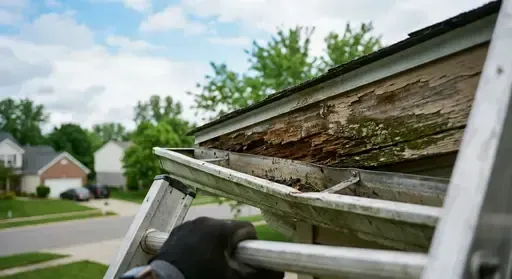
Imagine this: It’s the morning after one of our famous Wichita thunderstorms. The wind was howling all night, rattling the windows, and you can still hear the dripping of water somewhere outside. You grab your coffee, step out onto the porch to check the yard for branches, and look up. Your heart sinks. There’s a piece of material dangling from the edge of your roof like a loose tooth. Or maybe you see a long strip of metal lying in your flowerbed. That’s your soffit or your fascia. It looks bad, and your first thought—after "How much is this going to cost?"—is probably, "Will my homeowners insurance cover this?" It’s a question I hear all the time. My wife and I started Wichita Gutters over a decade ago, and we’ve spent years helping folks in Derby, Andover, and right here in Wichita fix up their homes after Kansas weather takes its toll. I’ve been on enough roofs to know that insurance policies can be confusing, frustrating, and incredibly specific. The short answer to your question? It depends. Generally speaking, if the damage was sudden—like a tree limb crashing down or a violent windstorm—insurance often covers it. But if the damage is from years of rot or "wear and tear," you’re likely on your own. Let’s break this down simply, so you know exactly where you stand and how to protect your home (and your wallet). Understanding the Basics: What Are Soffit and Fascia Anyway? Before we dive into insurance policies, we need to make sure we’re talking about the same thing. Insurance adjusters use technical terms, but you don’t have to be a construction expert to understand your roofline. Think of your roof like a hat. The Fascia: This is the vertical board that runs right along the edge of the roof. It’s the "face" of the roof edge. If you have gutters (and in Wichita, you definitely should), the fascia is the strong board that holds them up. It’s like the front bumper of your car—it takes a lot of hits from the weather. The Soffit: This is the board tucked underneath the overhang. If you stand directly under your gutters and look straight up, you’re looking at the soffit. It usually has little vents in it to let your attic breathe. Why do they matter? Aside from making your house look finished, these two parts are the bouncers of your home. They stop water from blowing into your attic, and they keep squirrels, birds, and bats from turning your roof into a hotel. When these get damaged, your home is vulnerable to water damage and rot that can spread deep into the walls. When Does Homeowners Insurance Cover Soffit and Fascia? Homeowners insurance is designed to protect you from "perils." In insurance speak, a peril is a specific event that causes damage. Most standard policies (often called HO-3 policies) cover damage that is sudden and accidental . Here are the scenarios where I typically see claims get approved:. 1. Wind and Hail Events Living in Kansas, we know wind. We’re not talking about a breezy day; we’re talking about those gusts that knock over trash cans and shake the house. If a storm rips the aluminum fascia off your house, that is usually covered. If hail punches holes in your vinyl soffit, that is usually covered. Note: If you live in an older neighborhood with aluminum siding, matching the color can be tough. Insurance sometimes pays to replace the whole side of the house to make it match, but not always. 2. Falling Objects Did a heavy branch snap off an oak tree and crush the edge of your roof? If that impact smashed the fascia board or the gutter attached to it, insurance typically pays for the repairs. This is considered a sudden accident. 3. Ice Dams This is a big one for us in the Midwest. In winter, snow melts on your roof and freezes again at the edge, forming a heavy block of ice called a dam. This heavy ice can rip gutters and fascia boards right off the house. The Good News: Many policies cover the water damage caused to the inside of the home by ice dams. The Tricky Part: Coverage for the exterior repair (the fascia itself) varies by policy, but if the damage was caused by the weight of ice or snow, there is a good chance it’s covered. 4. Fire If a fire (even a small one, like from a grill flare-up or a neighbor's accident) scorches your soffit or melts vinyl fascia, this is almost always a covered claim. Common Exclusions: When Insurance Says "No" This is the part that frustrates homeowners the most. Insurance companies are businesses, and they do not pay for maintenance. They expect you to take care of your house. If the adjuster looks at your damaged soffit and sees that the problem happened slowly over time, they will likely deny the claim. 1. Wear and Tear Nothing lasts forever. Paint peels, wood dries out, and caulk cracks. If your fascia board falls off simply because the nails rusted out over 20 years, insurance calls that "wear and tear." They view replacing old materials as your responsibility as a homeowner. 2. Moisture and Rot (The "Slow Leak") This is the most common reason for denial I see. Let’s say your gutters were clogged (which is why we always recommend gutter guards!). Over three years, water spilled over the back of the gutter and slowly rotted the fascia board. Eventually, the wood turned to mush and fell apart. Because this happened slowly and could have been prevented with cleaning or maintenance, insurance will not cover it. They argue that you should have caught the problem earlier. 3. Pest Infestations If a raccoon chews a hole in your soffit to have babies in your attic, the damage to the soffit is usually not covered. Most policies have a specific exclusion for damage caused by vermin, rodents, or insects (like termites). However, if that raccoon chews a wire and causes a fire, the fire damage usually is covered. It’s a strange distinction, but an important one. How Our Wichita Climate Impacts Your Claims Here in Sedgwick County, our weather is... let's call it "energetic." We have a unique climate that puts massive stress on soffits and fascia, and insurance adjusters here know what to look for. The Kansas Wind: We see a lot of "wind-driven rain." This is when the wind blows rain sideways, forcing it up into the soffit vents. If this happens during a named storm or tornado event, you have a strong case for a claim. The Freeze-Thaw Cycle: In winter, we might be 10 degrees one day and 50 degrees the next. This expansion and contraction can warp vinyl and crack wood. If you have aluminum or steel fascia (which we often install), you’re better protected. But if you have older wood, this weather accelerates rot—which, again, insurance might label as maintenance. Sun Damage: Our summer sun is intense. It bakes the paint right off the wood, leaving it exposed to the next rainstorm. Pro Tip from the Owner: “We select materials based on Wichita's climate. That’s why we often recommend seamless systems and aluminum wrapping for fascia. It stands up to the weather better than bare wood, meaning you have fewer maintenance issues that insurance won't cover anyway.” Steps to Take When You Suspect Damage So, you’ve found damage. You’re stressed. What should you do next? Don’t call the insurance company just yet. Follow these steps to make sure you handle it right. Step 1: Document Everything Get your phone out. Take clear photos of the damage from the ground. If you can safely get a closer look, do it, but do not climb a ladder if it’s dangerous . Capture the debris on the ground, the missing pieces, and any water spots you see inside the house near the ceiling. Step 2: Stop the Bleeding (Mitigate Loss) Insurance policies require you to prevent further damage. If the fascia is missing and rain is pouring into your attic, you need to get it covered. This might mean tarping the area. If you leave it open and it rains again, the insurance company might deny the claim for the interior water damage because you didn't try to stop it. Step 3: Call a Pro for an Opinion (Before the Adjuster!) This is crucial. Call a local expert like us at Wichita Gutters . Why? Because you need to know if the damage is actually worth filing a claim for. Scenario A: The repair will cost $400. Your insurance deductible is $1,000. It makes zero sense to file a claim. You’ll pay out of pocket anyway, and you’ll have a "claim" on your record that could raise your rates. Scenario B: The damage is clearly from old rot. A contractor will tell you the truth: "The adjuster is going to deny this." We can save you the hassle of a rejected claim. Step 4: Check Your Policy Look at your "Declarations Page." See what your deductible is. Also, check if you have "Actual Cash Value" (they pay what the old roof is worth now) or "Replacement Cost" (they pay what it costs to buy new). Replacement cost is much better for you. Prevention is Cheaper than Repair The best way to deal with insurance claims is to never have to file one. Since we know insurance hates "neglect," the best defense is maintenance. Clean Your Gutters: Clogged gutters are the #1 enemy of fascia boards. When gutters are full of wet leaves, they get heavy and pull away from the fascia. The trapped water also rots the wood. Check for Peeling Paint: If you see peeling paint on your roof edge, scrape and paint it. It seals the wood against moisture. Look for Gaps: If you see a gap between the roof and the gutter, water is getting behind there. At Wichita Gutters , we specialize in Soffit and Fascia Repair and Installation . We don’t just patch things up; we look at the root cause. Whether it’s installing seamless gutters to reduce leaks or replacing rotted wood with durable, weather-resistant materials, we help you avoid those "wear and tear" denials down the road. Conclusion So, is your soffit and fascia damage covered? If a storm smashed it yesterday? Probably Yes. If it’s been rotting for two years? Probably No. Your home is likely your biggest investment. Don’t let a small piece of rotted wood turn into a massive headache. If you aren't sure what you're looking at, or if you need a quote to see if a repair is less than your deductible, we are here to help. We are Wichita Gutters . We are locally owned, licensed, insured, and we treat your home like it’s our own. Do you have damage? Don't wait for the next storm. Call us today for a Same-Day Estimate . We’ll come out, take a look, and give you an honest assessment of what needs to be done. Call us at: 📞 (316) 350-7115 Protect your home. Protect your wallet. Call the Wichita experts.
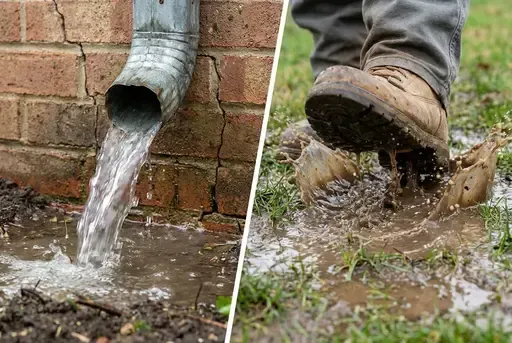
Water problems rarely start with a huge flood. Instead, they start with small clues. You might smell something musty in the basement, see a puddle that won’t go away, or notice soggy patches on your lawn. These little signs can quietly damage your home over time. If you ignore them, water can hurt your foundation, ruin your landscaping, and even cause mold inside your house. The good news is that there is a solution. Underground drains—like French drains, trench drains, and downspout lines—are designed to catch water and move it away from your home before it causes trouble. Whether you live in an area with heavy clay soil, lots of rain, or melting snow, managing water is key to protecting your property. This guide is for homeowners who want to keep their basements dry and their yards looking great. 1) What "Underground Drains" Mean Simply put, an underground drain is a buried system of pipes. Its job is to catch rainwater or groundwater and move it to a safe place away from your house. Because these systems are buried, they look much better than pipes laying on top of the grass. They also work better because they stop erosion and keep water away from your foundation. Here are the most common types you might hear about: French drain system : A perforated pipe (pipe with holes) buried in gravel and wrapped in fabric to soak up groundwater. Downspout underground drain : A solid pipe that connects to your gutters to move roof water far away. Trench drains : Grates you see in driveways or patios to catch surface water. Catch basins / Yard drains : A box with a grate on top, usually placed in a low spot in the yard to act like a bathtub drain. 2) Top Signs Your Home May Need an Underground Drain System How do you know if you need one? Here are the top 9 signs to look for. Sign #1: Water pooling near the foundation after rain If you see puddles forming right next to your house, or if the dirt there stays dark and wet for days, you have a problem. Why it matters: When water sits against your house, it pushes against the walls. This can cause cracks and leaks. The fix: French drains or downspout extensions can move this water away. Sign #2: Basement or crawl space dampness Does your basement smell musty? Do you see white powder (efflorescence) on the concrete walls or mold spots in corners? Why it matters: This means water from the outside is trying to get inside. The fix: An exterior French drain system is often the best way to stop groundwater from touching your walls. Sign #3: Your sump pump runs frequently If you have a sump pump, listen to it during a storm. If it turns on and off constantly, it means the soil around your house is full of water. Why it matters: Your pump is working overtime to save your basement. If the power goes out, you could flood. The fix: Underground drains can reduce the amount of water reaching your sump pump. Sign #4: Downspouts dump water right next to the house Take a look at your gutters. Do the downspouts end right at the bottom of the wall? Why it matters: Roofs collect a lot of water. Dumping it right next to your foundation is the #1 cause of basement leaks. The fix: Install downspout underground drains. These solid pipes take the water and release it safely further out in the yard. Sign #5: Erosion or washed-out mulch After a heavy rain, do you find your garden mulch washed onto the sidewalk? Do you see exposed tree roots? Why it matters: This means water is moving too fast across your yard. It is stripping away your topsoil. The fix: Trench drains or catch basins can slow the water down and capture it. Sign #6: Soggy lawn or standing water If you have a spot in your yard that stays squishy for 24 to 48 hours after rain, the soil can’t drink the water fast enough. Why it matters: This ruins grass, creates mud pits for pets, and breeds mosquitoes. The fix: A yard drain or a French drain in that specific low spot helps dry it out. Sign #7: Cracks in foundation, driveway, or patio Concrete is strong, but water is stronger. If water gets under your driveway and freezes, it expands and cracks the concrete. Why it matters: These cracks will only get bigger over time, leading to expensive repairs. The fix: Keep the soil under the concrete dry with underground drains. Sign #8: Water flows toward the home Look at the slope of your yard. Does the ground tilt toward your house instead of away from it? Why it matters: Gravity will always pull water to the lowest point. If that point is your house, you will have leaks. The fix: You need to intercept that water with a French drain or catch basin before it reaches your walls. Sign #9: Gutters overflow even when they are clean Sometimes, a heavy storm dumps water faster than your gutters can handle. Why it matters: This water spills over the edge and lands right on your foundation. The fix: You may need larger underground drain lines to handle the heavy flow from the roof. 3) Local Factors That Make Drains Necessary Where you live plays a big role in how well your yard drains. For example, soil type is a major factor; clay soil holds water like a bowl, while sandy soil lets it drain away easily. If you have heavy clay, you are much more likely to need help moving water. The shape of the land matters too. If you live at the bottom of a hill or slope, your neighbor's runoff naturally flows down to become your problem. Weather patterns and your specific neighborhood layout also contribute to drainage issues. Areas with heavy spring rains, rapid snowmelt, or hurricane seasons need stronger systems to handle the volume. In cities with tight lots, houses are often close together with lots of concrete driveways and patios. This leaves very little grass to soak up the rain, forcing the water to pool or run toward the foundation. 4) Choosing the Right Type of Drain Not all drains do the same job. You have to match the drain to the problem. A) French Drains (For Groundwater) Best for: Soggy soil, wet foundations, and water seeping out of a hillside. How it works: It’s a perforated pipe buried in gravel. It acts like a sponge to soak up water from the ground. B) Trench Drains (For Surface Water) Best for: Driveways, in front of garage doors, and on patios. How it works: It’s a long grate that catches water flowing across concrete so it doesn't enter your garage or home. C) Yard Drains / Catch Basins (For Low Spots) Best for: That one spot in the lawn that always looks like a pond. How it works: It’s a box with a grate that sits flush with the grass. It catches the puddle and sends it down a pipe. D) Downspout Underground Drain Lines (For Roof Water) Best for: Moving the massive amount of water that comes off your roof. How it works: Solid pipes connect to your gutters and carry water to a "pop-up emitter" or a safe exit point far away. 5) Quick At-Home Checks Before Calling a Pro You can do a little detective work yourself before hiring help. The next time it rains, put on your boots, grab an umbrella, and walk the property. Draw a simple map of where the water starts and where it pools. While you are out there, check the gutters to see if they are overflowing or if the downspouts are aiming water right at the house. Once the rain stops, take a closer look at your foundation walls. You want to look for "tide lines," which are dark stains or white powder near the bottom of the wall that indicate water has been sitting there. Finally, try the "squish test." Walk your yard the day after a storm. If the ground is still squishy under your feet, the soil isn't draining properly. 6) Common Mistakes to Avoid If a drain isn't installed right, it won't work, so it helps to know the common pitfalls. The biggest mistake is installing pipes with no slope. Water only runs downhill, so if the pipe is flat, water will sit inside, grow algae, and eventually clog. It is also critical to install cleanouts so you can maintain the system if leaves get inside, and to use the correct filter fabric to prevent dirt from clogging the pipe. Another serious mistake involves illegal connections. In most places, it is against the law to connect your rain drains to the sanitary sewer (the pipe for your toilet). Doing this can overwhelm the city system and cause sewage backups for the whole neighborhood. Always make sure your water discharges to a safe, legal spot in your yard or a storm drain. 7) What Installation Depends On You might be wondering about the effort involved in getting a system installed. It isn't a "one size fits all" job, and the complexity depends on several things. The length of the pipe run matters, as does the difficulty of the digging. For example, digging through rocky soil takes much longer than digging through sand, and navigating around tree roots, sidewalks, or driveways adds time to the project. Local rules also play a part, as some cities require permits to modify drainage or connect to storm sewers. While installing a proper underground drain system is an investment, it protects your foundation and saves you from much more expensive repairs later on. Conclusion Water is a powerful force, but you can control it. If you are seeing pooling water, damp basements, erosion, or soggy lawns, don't wait. These are signs that your home needs help. Underground drains—whether it's a French drain for groundwater or a downspout line for roof rain—are a durable fix, not just a temporary patch. Next time it rains, take a look around. If you see the signs, it might be time to call a drainage professional to keep your home dry and safe.
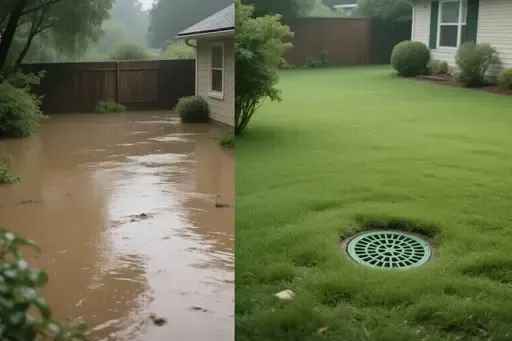
If you live in Wichita, you know the drill. Spring arrives, and so do the storms. One minute it is sunny, and the next, the sky turns green and dumps inches of rain on your lawn. Because Kansas is so flat, that water often has nowhere to go. It is frustrating to look out your window and see a "lake" forming in your backyard. It is even scarier when that water starts creeping toward your home’s foundation. The biggest problem in Sedgwick County is the soil. We have heavy clay soil. Clay acts like a bowl; it holds water instead of letting it soak into the ground. If you are a homeowner here, you want to protect your biggest investment—your house. You know you need a fix, but you probably have one big question: "How much is this going to cost?" "Underground drain" is a big term. In this guide, we will break down the prices for the most common solutions: French drains, trench drains, catch basins, and dry wells, specifically for the Wichita area.
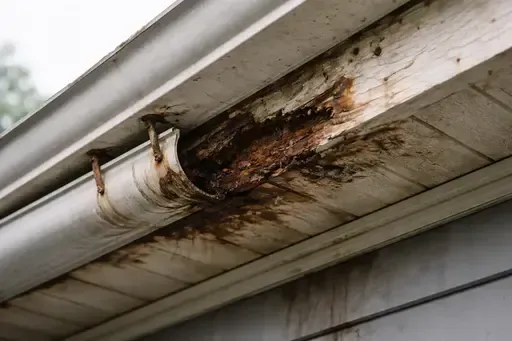
Yes. Soffit damage can spread to your fascia and even your roof. It usually happens when water keeps getting where it shouldn’t—often from clogged gutters, leaky gutters, or a downspout that dumps water back on the house. I’ve seen this play out the same way more times than I can count in Wichita. A homeowner calls about “a little soft spot” under the eaves. Then we get up there and the soffit is wet, the fascia is starting to rot, and the roof edge has stains. It’s like a line of dominos. One soggy piece of wood can lead to the next. Let’s talk about how it spreads, what it looks like, and what to do before it turns into a bigger repair. Quick Definitions Soffit = the flat part under the roof overhang (the “ceiling” of your eaves). Fascia = the board at the edge of the roof where gutters hang. Roof edge / decking = the roof wood under your shingles near the edge. These parts touch each other. So if water keeps hitting one, it doesn’t stay “just one problem” for long. We have a more in-depth explanation of what soffit and fascia is How soffit damage spreads to fascia and roofing Soffit damage spreads when moisture keeps coming back . Here’s the common chain reaction: Gutters clog or leak Water spills over the front, runs behind the gutter, or dumps right onto the soffit/fascia area. Soffit stays damp Wet wood is like a sponge. It swells, softens, and starts to break down. Fascia gets soaked next Fascia sits right next to the gutter. If the gutter is loose, tilted, or full, water will soak the fascia too. Roof edge gets involved Once fascia is soft, water can creep up under the roof edge. Then you can get rotten roof decking, shingle edge issues, and sometimes leaks that show up inside. That’s why “a small soffit issue” can turn into a roof edge repair if you wait too long. A Wichita story I’ve heard a lot (and maybe you’ve lived it) A homeowner near College Hill told me they kept hearing dripping after storms. No big leak inside. Just dripping. They figured it was “normal roof stuff.” When we looked, their gutters had leaves packed in them. Water was rolling over the gutter during every heavy rain. The soffit had peeling paint. The fascia had dark, soft spots. And the gutter spikes were pulling out because the fascia wood wasn’t solid anymore. That’s the sneaky part. It can look fine from the yard. The damage is hiding under the edge. Why Wichita homes get hit with this Wichita weather has a way of testing gutter systems. Spring and summer storms Big rain comes fast. If your gutters can’t move water quickly, it overflows. That overflow is what starts soaking soffit and fascia. Fall leaves In areas like Riverside and older neighborhoods with big trees, gutters fill up fast. A few clogged sections can create a “waterfall” right onto the soffit. Winter freeze-thaw Water that sits in a gutter can freeze. Ice adds weight. Gutters pull away. Gaps form. Then the next melt sends water right behind the gutter—straight into fascia and soffit. What causes the soffit to get damaged in the first place? Most soffit damage comes from one of these: 1) Clogged gutters and overflowing water This is the #1 cause. Water goes over the gutter lip and runs back toward the house. 2) Gutters installed wrong (or sagging) If the gutter pitch is off, water pools. If hangers are spaced wrong, gutters sag. Pooled water = overflow and rot. 3) Loose drip edge or missing edge metal The roof edge should guide water into the gutter. If that metal is bent or missing, water can sneak behind. 4) Downspouts dumping water too close Even if your gutters are clean, bad downspout setup can soak the same areas again and again. And yes, this can tie into underground drainage too. If a buried line is clogged or crushed, the downspout backs up. Then the gutter overflows at the worst spot. 5) Bathroom fan or dryer vent problems (less common, but real) Warm moist air venting into the soffit area can cause dampness and mold. I’ve seen this happen in remodels. Signs the problem is spreading (soffit → fascia → roof) If you notice any of these, don’t brush it off: Paint peeling on the soffit or fascia Soft wood (you can press it and it gives) Black stains or green algae streaks Gutter pulling away or sagging Nails or spikes popping out Birds, squirrels, or wasps getting into the eaves (they love soft spots) Dripping sounds behind the gutter during rain Water marks on the top of exterior walls Roof edge shingles curling or looking “wavy” near the gutter line If you’re in Delano or Eastborough with older trim, small gaps can let water in faster than you’d expect. What happens if you ignore it? Here’s what I’ve seen when people wait: Fascia rot gets bad enough that gutters can’t stay attached Roof decking at the edge softens , so nails don’t hold well Pests move in through gaps (then you have two problems) Mold starts in damp shaded areas Water finds its way down , sometimes into wall cavities And once water gets into walls, you can get stains inside, peeling paint, and even warped trim. That’s when it stops being “just outside.” What I’d do if this was my house If you want the simplest plan that actually works, do this in order: Step 1: Fix the water problem first Don’t replace soffit boards while the gutter still overflows. That’s like putting a bandage on while the leak is still running. Clean the gutters Check for proper slope Reseal leaky corners Replace broken sections Add hangers where it sags Step 2: Check the downspouts and drainage path Water needs a clear route away from the house. Add extensions if water dumps at the foundation If you have underground downspout drains , make sure they are flowing Consider pop-up emitters, cleanouts, or reroutes if lines keep clogging In parts of Wichita with heavier soil and flat yards, I’ve seen buried drains become a hidden headache. When they back up, the gutter system acts like it’s clogged even when it isn’t. Step 3: Replace damaged soffit and fascia the right way If wood is soft, patching rarely lasts. You want solid material again so gutters can be mounted correctly. Step 4: Check the roof edge If the fascia is rotten, the roof edge may have issues too. Get eyes on: drip edge roof decking at the edge shingle edge condition What to do if you need repairs If you’re in Wichita, Maize, Derby, Andover, or Park City and you’ve got peeling soffit paint, sagging gutters, or water pouring over the edge in storms, it’s worth getting it checked before the next big rain. A quick visit can tell you if it’s: just a cleaning and reseal, a fascia board replacement, a gutter reset, or an underground drain backup. Give us a call at (316) 350-7115 , and we will give you a proper quote Or, if you want to see how much a soffit repair is , our calculator can give you a quick estimate Common “how bad is it?” scenarios “My soffit looks rough, but my fascia looks okay.” This can happen early on. The soffit might be getting hit by overflow, while fascia is only starting to get damp. Fix the gutter issue now and you may keep it from spreading. “My gutters keep pulling away.” That often means fascia is soft or the fasteners are failing. Re-hanging the gutter without fixing fascia is usually a short-term win. “I see stains, but it’s not soft yet.” Good. That’s the window you want. Stains can be early warning. Clean, seal, and correct the water path. “I have an underground drain and my gutters still overflow.” That’s a big clue. The buried line may be clogged, crushed, full of roots, or holding mud. A downspout can back up like a clogged sink. A simple home check you can do this weekend Pick the next rainy day (or use a garden hose). Watch where water goes when it hits the roof. Look for overflow points. Check if water is running behind the gutter (this is easy to miss). Listen for dripping in the soffit area after rain stops. Check downspout flow. It should shoot out steady, not burp and slow down. If you see overflow in one spot, that’s usually where soffit damage starts. Repairs that actually last (and ones that don’t) Repairs that tend to last Replacing rotten fascia with solid boards (or wrapping it) after fixing the water issue New gutters with correct slope and proper hangers Proper drip edge / gutter apron where needed Downspout extensions or underground drainage that drains freely Repairs that often fail fast Painting over peeling soffit without fixing overflow Caulking everything while gutters still back up Reattaching gutters into rotten wood Paint can hide the problem for a season. It doesn’t stop water. When it’s time to call a pro Call someone if: You can poke the fascia with a screwdriver and it feels soft Gutters are pulling away in more than one spot You suspect roof edge rot You have two-story areas you can’t safely reach Your underground drain is backing up and you can’t find the blockage A lot of soffit and fascia jobs are simple when caught early. They get expensive when the roof edge starts failing too. Conclusion Soffit damage can spread to fascia and roofing because the parts are connected and water keeps moving. In Wichita, the mix of storms, leaves, and freeze-thaw makes gutters and roof edges work extra hard. The best fix is not just swapping boards. It’s stopping the water first—gutters, downspouts, and drainage—then repairing the wood.
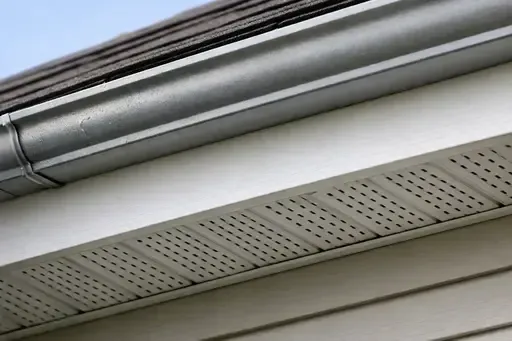
Ever wondered what exactly is soffit and fascia? They seem similar, but there are differences, and both are crucial for your home.
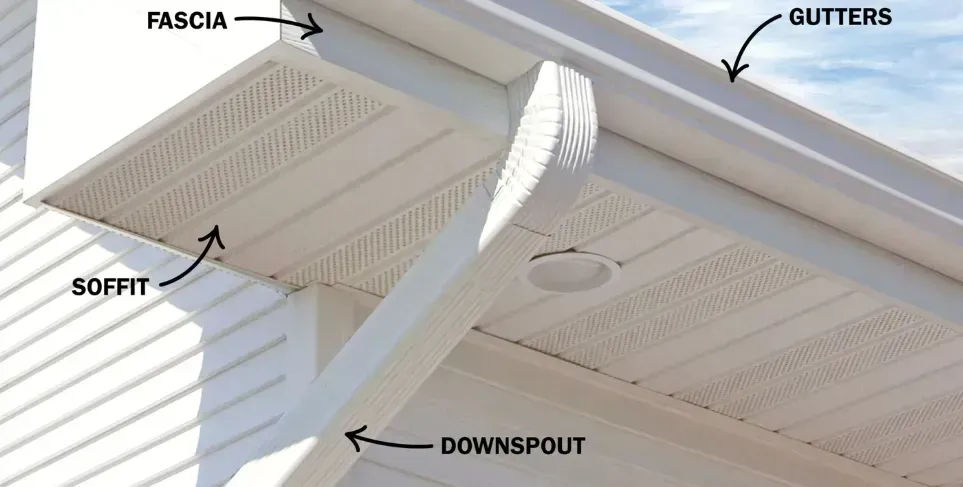
If you’re wondering how much a full soffit and fascia replacement is, a realistic combined total for many Wichita homes is about 2,500–$7,500 , depending on your roofline, materials, and whether there is hidden rot behind the trim. Smaller repair-only jobs can be a few hundred dollars, while full runs on multiple sides of a home can move into the several-thousand-dollar range, especially if gutters need to be removed and reinstalled.

Here's a complete guide to gutter installation in Wichita KS, complete with new installs, advice for replacement, and other options available.
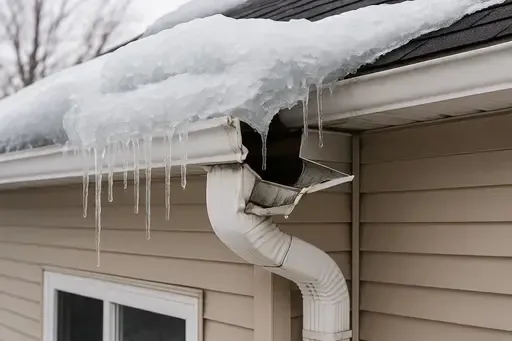
February in Wichita still feels like winter. But here's the thing: spring storms are only 6-8 weeks out. And your gutters are getting damaged right now. Most homeowners wait until they see a problem. By then, water is already pouring into basements or pooling around foundations. You're paying for damage instead of preventing it. I'm Brandon, owner of Wichita Gutters. My wife and I have been fixing and installing gutters here for over 10 years. Every spring, we see the same thing: Homeowners who call us in February are ready when storms hit. The ones who wait until March or April are calling in a panic with water everywhere. You still have time. Let's talk about why February matters and what you need to do.