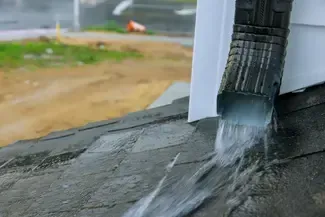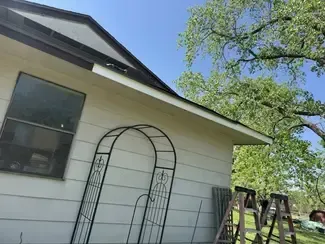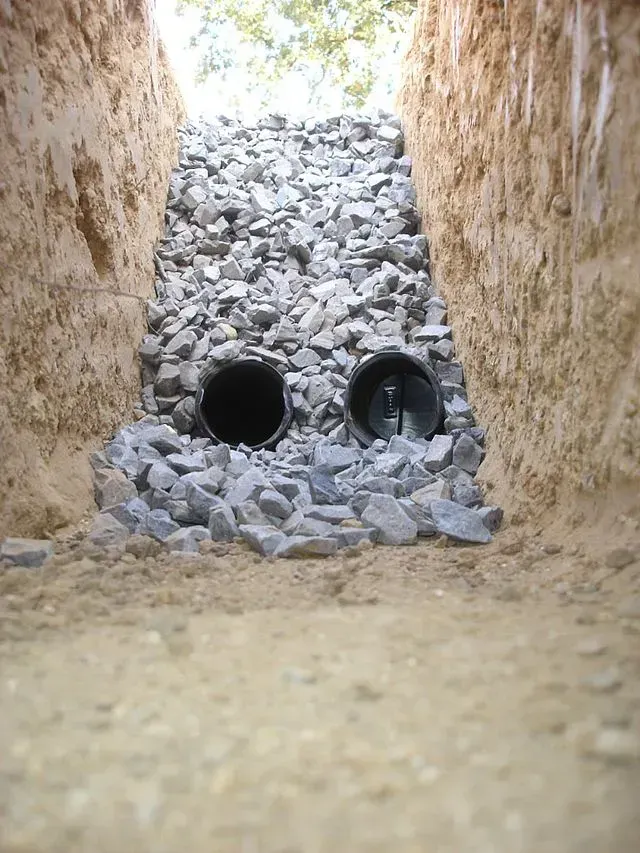
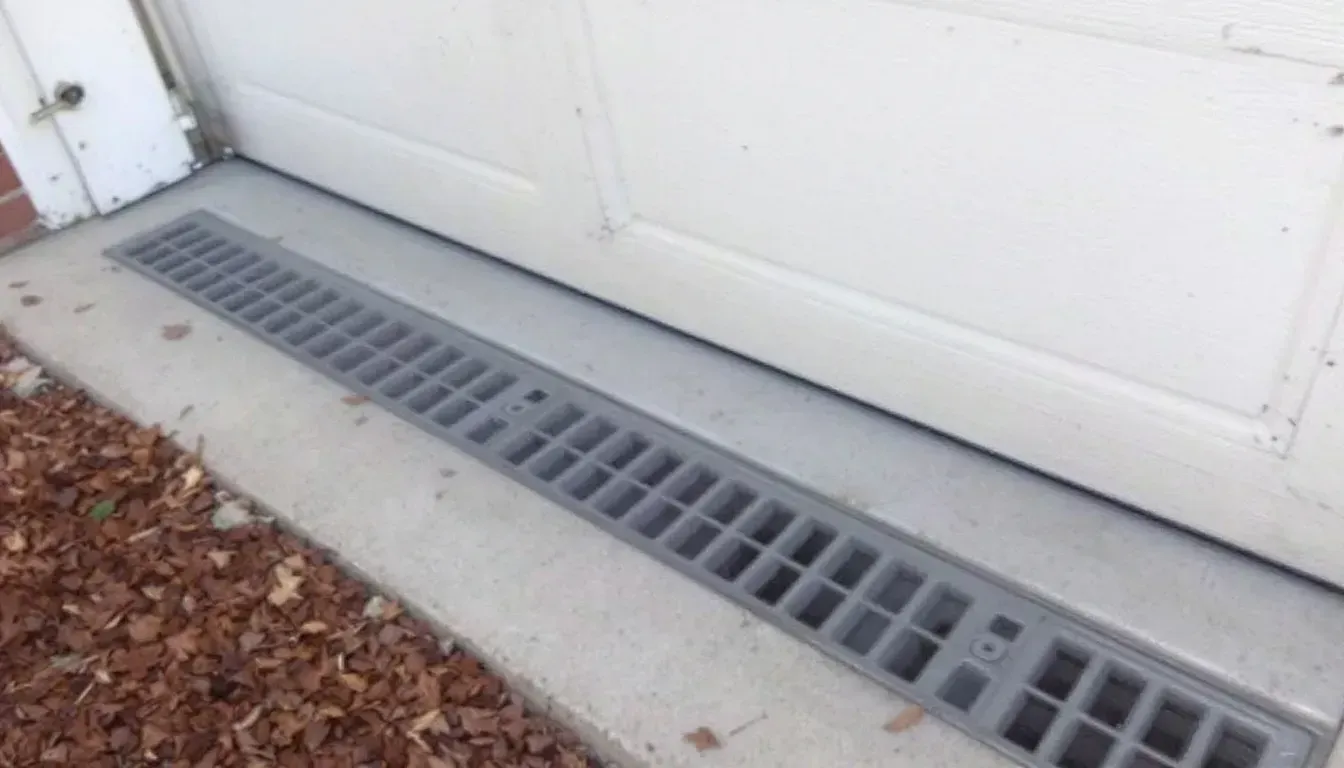
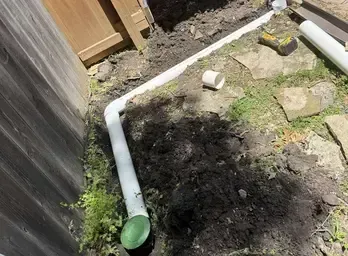
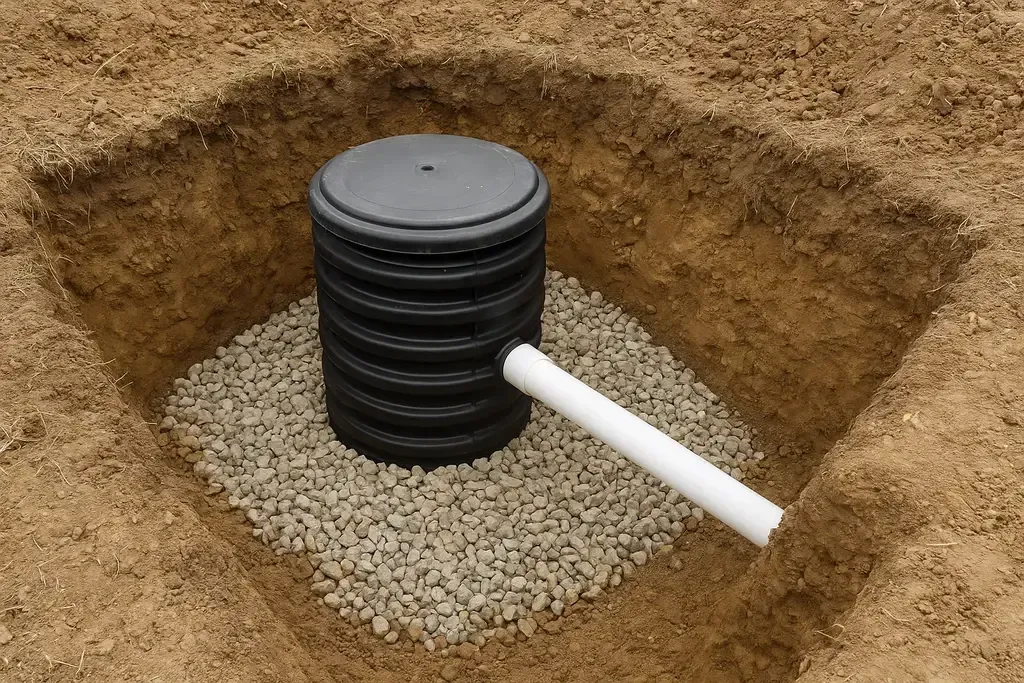
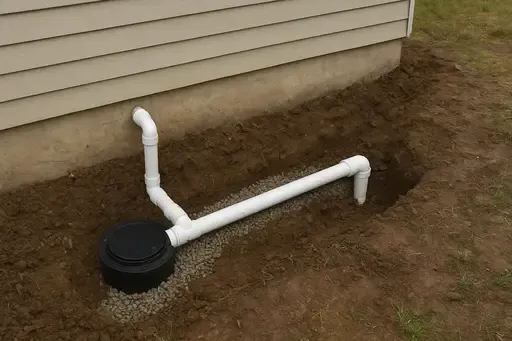
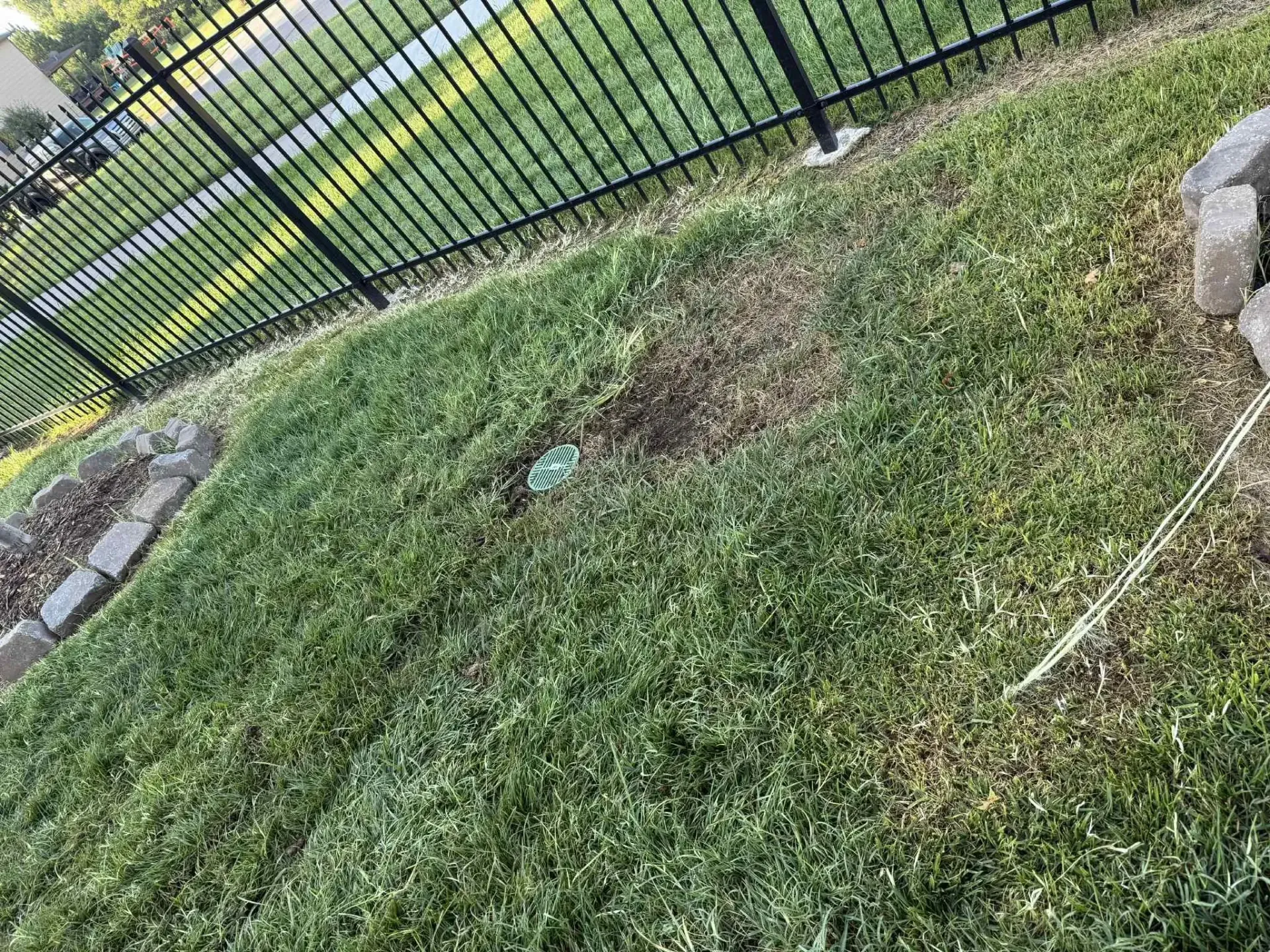
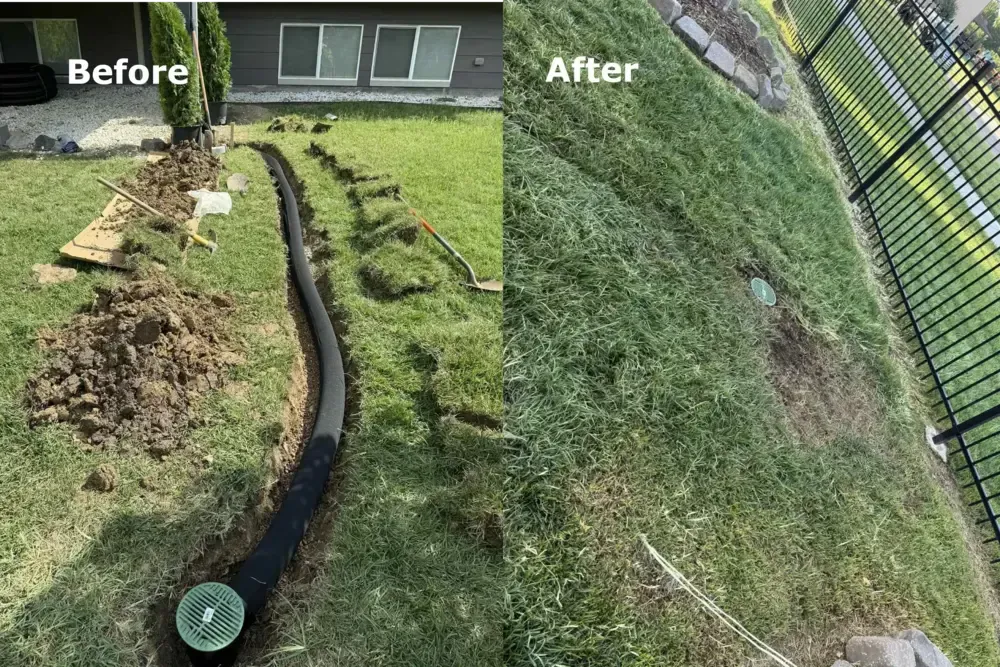
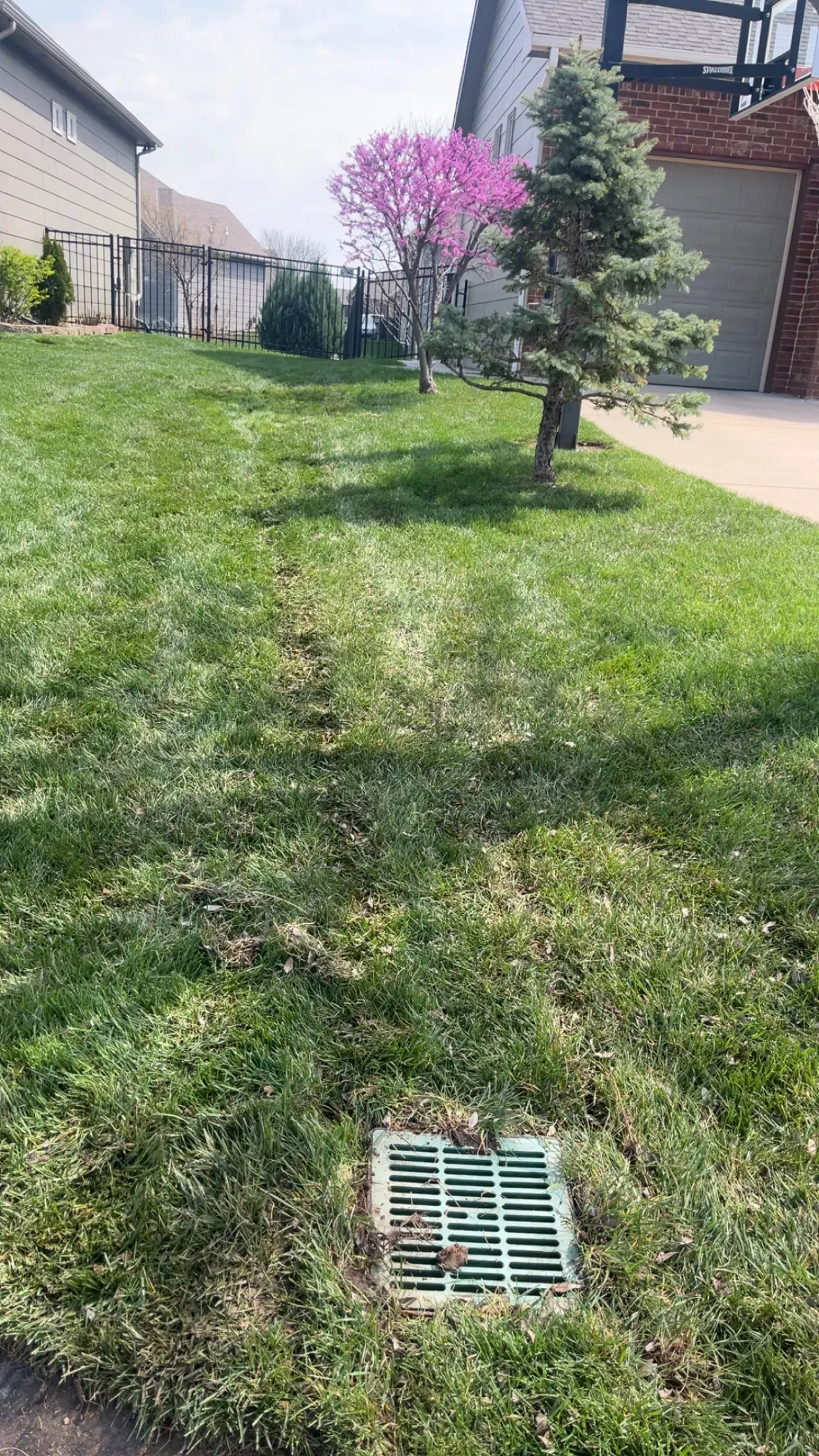
A lot of homeowners start asking the same question. Should I bury my downspouts? In many cases, yes. Installing professional underground downspout drain lines is one of the best ways to move roof runoff away from your home and keep water from becoming a bigger problem. It looks cleaner, works better, and can help protect your foundation. Still, it is not a one-size-fits-all answer. Before you start digging, it helps to understand the benefits, the drawbacks, and why proper installation matters so much in Wichita, KS. The Pros and Cons of Burying Gutter Downspouts Burying gutter downspouts means connecting your downspouts to an underground drainage system that carries rainwater away from your house. Instead of water dumping onto a splash block or plastic extension, it travels through buried pipe to a safer discharge area. For a lot of homes, that is a smart move. But like any home upgrade, there are things to weigh before deciding. The Benefits of Underground Drains The biggest benefit is simple. Buried drains take water away from the house fast. In Wichita, that matters more than many homeowners realize. Our area gets strong rain, heavy wind, and quick weather swings. One storm can dump enough water to turn a dry yard into a mess. If your gutters and downspouts are doing their job, they collect that roof water. But if the water still lands right by the foundation, the problem is only half solved. That is where underground drains help. Better foundation protection One of the biggest reasons to bury downspouts is to protect the foundation. Wichita homes often deal with clay-heavy soil. Clay acts a little like a sponge. When it gets wet, it expands. When it dries out, it shrinks. Over time, that movement can put stress on a foundation. A gutter expert once explained it in a way that stuck with me. He said your home should not sit in a “bathtub ring” of wet soil every time it rains. That picture makes sense. If downspouts keep dumping water at the base of the house, the soil around the foundation stays too wet, and that repeated swelling can cause trouble. Underground downspout drains move water farther away, which helps keep moisture levels more even around the home. Cleaner curb appeal There is also the appearance side of things. Above-ground extensions are not pretty. Most people tolerate them, but few actually like how they look stretched across the lawn or curled around a flower bed. Buried downspouts hide the working parts underground, so the outside of the house looks cleaner and more finished. If you take pride in your landscaping, this can make a big difference. Mulch stays in place better. Soil erosion is reduced. Flower beds do not get hammered every time it rains. One homeowner in the Wichita area described it perfectly after upgrading both gutters and drainage. Before, every storm carved little channels through the mulch like tiny rivers. After the drains were installed, the beds stayed put. Fewer tripping hazards This is a smaller point, but it matters. Above-ground extensions can become a real tripping hazard, especially along walkways, driveways, and side yards. Kids running through the yard, guests walking around the house, or even just carrying groceries past the side of the home can catch a foot on them. Buried lines get those obstacles out of the way. The Drawbacks to Consider Burying your downspouts is a good idea for many homes, but it is not perfect. There are a few things homeowners should know before moving forward. Maintenance still matters A buried pipe is not “install it and forget it forever.” If leaves, shingle grit, and roof debris wash into the system, the line can clog over time. That can lead to slow drainage, backups, or overflowing gutters during a storm. This is why the gutter system above the drain line matters too . Clean gutters and well-designed guards can help keep debris out of the underground drain. If your gutters are already packed with leaves, burying the downspouts without fixing that first is a little like putting a lid on a messy closet. The problem is still there. Winter freezing is a real concern in Kansas Wichita weather can be rough on drainage systems. Hot summers, freezing winter nights, spring storms, and everything in between mean your system needs to be built for local conditions. If underground drain lines are not sloped correctly, water can sit in the pipe. During a Kansas freeze, that trapped water can freeze, expand, and create blockages. Then when the next melt or rain event comes through, water has nowhere to go. This is one of the biggest reasons professional installation matters. A good drainage system needs proper pitch, the right outlet, and the right layout for the property. The upfront cost is higher There is no getting around it. Underground downspout drains cost more than basic splash blocks or plastic extensions. There is digging involved. There are materials, fittings, and planning. The route has to make sense for your yard. The water needs a safe place to discharge. So yes, the initial investment is higher. But many homeowners see it as paying now to avoid bigger costs later. Foundation repairs, basement moisture problems, landscape damage, and fascia rot can all get expensive fast. In that light, a drainage system can feel less like an extra and more like protection. Alternatives to Burying Your Downspouts Not every homeowner is ready for underground drains right away. Maybe the budget is tight. Maybe you are fixing things one step at a time. That is okay. There are other options that can help, even if they are not as complete. Above-Ground Downspout Extensions These are the most common budget option. They attach to the bottom of the downspout and carry water farther away from the house across the grass. They are cheap and easy, which is why so many people use them. But they also come with some clear downsides. They can crack, shift out of place, get crushed by lawn mowers, and create tripping hazards. They also tend to look a bit temporary. For some homes, they are a decent short-term fix. For others, they are just the thing you keep meaning to replace. Rain Barrels and Splash Blocks Rain barrels can help collect some roof runoff, and splash blocks can direct water a little farther from the foundation. These tools can be useful for lighter rainfall and smaller drainage needs. The issue is that Wichita storms are not always light. During a heavy spring thunderstorm, a rain barrel can fill quickly and a splash block can only do so much. When water is really coming down, these options are often overwhelmed. Think of them like a small bucket under a fast leak. Helpful for a while, but not enough when the flow gets serious. French Drains French drains are often mentioned in the same conversation, but they solve a different problem. A French drain is meant to manage groundwater and saturated soil. Buried downspout drains are meant to carry roof water away from the gutter system. That said, they can work together really well. If a yard has poor drainage and roof runoff issues, combining underground downspout drains with a French drain system can be a smart way to handle water from more than one source. At Wichita Gutters, services like underground drains , French drains , trench drains , catch basins , and downspout drain lines all work toward the same goal: keeping water where it belongs. Should You Hire a Professional for Gutters and Drains in Wichita, KS? In most cases, yes. Burying your downspouts is usually a very good idea, especially in Wichita, KS where storms, clay soil, and winter freezes can all make drainage issues worse. Done right, underground downspout drains protect your foundation, improve your yard, reduce erosion, and give your home a cleaner look. But the phrase “done right” is the key. A DIY setup can go wrong in ways that are not obvious at first. If the pipe does not have enough slope, water can sit and freeze. If the outlet is poorly placed, water may drain right back toward the house. If debris control is ignored, the whole line can clog. In some cases, bad drainage work can actually make foundation problems worse instead of better. That is why homeowners often call in a pro after trying to patch the issue piece by piece. One local homeowner thought the problem was just a leaky gutter, but the real issue was water soaking the area around the home and finding its way inside. Another found that pairing gutters with better drainage finally stopped water from reaching the basement. Those stories are common because water problems often start small, then grow quietly. If your downspouts dump too close to your house, your yard stays soggy after storms, or you are tired of dealing with ugly extensions, it may be time for a real solution. Wichita Gutters installs drainage systems designed for local homes, local weather, and the way water actually moves across a property. Stop letting runoff hang around your foundation. Contact Wichita Gutters - (316) 350-7115 for a professional assessment of your gutters, downspouts, and drainage system, or request a free quote to get started.

Picture this: It is the middle of a classic Midwest spring storm. The rain is coming down in sheets, the wind is howling, and you are staring out your window watching a small lake form right in your front yard. Even worse, that water is creeping closer and closer to your foundation. If you are like many homeowners in Wichita, your first thought might be, "I need to put an underground drain out there to get rid of this water!" But hold on a second. Before you start digging up your lawn, you have to look up. Should you fix your roof drainage (your gutters) before you fix your ground drainage (your underground drains)? It is a common debate, but the answer is incredibly important if you want to protect your property value and keep your foundation safe. While both systems are essential for a dry, healthy home, the condition of your current gutters dictates the order of operations. In short: water flows from the top down. If your gutters are failing , your new underground drains will not be able to do their job . Let’s break down exactly why your gutters need to be in top shape before you break ground. The Crucial Link Between Gutters and Underground Drains How a Complete Water Management System Works Think of your home’s water management system like a relay race. In a relay race, every runner has to do their part perfectly, or the whole team loses. Your gutters are the first runner. Their job is to catch the rain as it rushes off your roof. The downspouts are the second runner, taking that water and directing it safely down the side of your house. Finally, the underground drain is the anchor—the final runner who takes the baton (the water) and carries it far away from your yard and foundation. If the first runner drops the baton, the anchor never even gets a chance to run. An underground drain is only as effective as the gutter system feeding water into it. If your gutters are leaking, overflowing, or sagging, the water will just spill over the sides and crash right next to your foundation. It will completely bypass the underground drain you just spent good money to install. To win the race against water damage, the whole system has to be connected and working together flawlessly. Signs You Need Gutter Repair or Gutter Replacement First Evaluating Your Current Seamless Gutters Before you call someone to dig a trench in your yard, take a walk around your house the next time it rains. Your gutters will usually tell you if they are struggling. Look for visual cues. Are your gutters sagging in the middle like a tired hammock? Are they pulling away from the fascia board (the wooden board right under your roofline)? Do you see patches of rust, or are there visible holes where water is dripping through? These are all red flags. You also need to look for performance cues. If water is overflowing the sides of the gutters like a miniature waterfall during a storm, that means they are either clogged, improperly pitched, or simply too small to handle the amount of rain hitting your roof. Gutter Repair vs. Full Gutter Replacement Not every gutter problem means you need a brand-new system. Sometimes, a simple gutter repair is enough to get things flowing right so you can proceed with your underground drains. If we come out and see that you just need some corners resealed, a few loose hangers re-secured, or a minor pitch adjustment, we can fix that up quickly. However, there are times when a full gutter replacement is absolutely mandatory. For example, if your home still has old, undersized 4-inch gutters, they simply cannot handle heavy Kansas downpours. If there is extensive damage from a past hail storm, or if the gutters were installed with the wrong pitch and hold standing water, it is time for an upgrade. Trying to hook a broken, undersized gutter up to a brand-new underground drain is like trying to put a lawnmower engine in a sports car—it just will not work. Why Wichita KS Weather Demands Flawless Drainage Combating Heavy Storms and Expansive Clay Soil If you live in Wichita, Derby, Andover, or anywhere in Sedgwick County, you know our weather does not mess around. We get heavy spring downpours that can drop inches of rain in a matter of hours. These sudden deluges can easily overwhelm weak, old, or undersized gutters. But the rain is only half the problem. The real danger lies in the dirt beneath our feet. Kansas is known for its expansive clay soil. Think of this soil like a giant sponge. When it gets wet, it swells up and expands. When we hit a dry spell in the summer, it shrinks and cracks. If your gutters are leaking and dumping water right next to your house, that clay soil absorbs it and expands, putting massive pressure on your foundation walls. Over time, this pushing and pulling causes foundations to crack, bow, and leak. A flawless drainage system keeps the moisture levels around your foundation consistent, protecting your biggest investment. Preventing Winter Ice Dams and Freezing Pipes Our weather swings don't stop in the summer. Wichita winters bring freezing rain, snow, and ice. If your gutters are not functioning properly, water can get trapped and freeze, creating heavy ice dams that tear gutters right off your house and push water up under your roof shingles. Furthermore, if poorly functioning gutters are hooked up to shallow underground drains, that slow-moving, trickling water can freeze solid inside the pipes. When water freezes, it expands, which can cause your underground pipes to burst. Proper gutters ensure water flows quickly and completely out of the system before it has a chance to turn to ice. The Risks of Installing Underground Drains With Failing Gutters Wasting Your Investment We have seen it happen too many times. A homeowner gets tired of a muddy yard, so they hire a landscaper to install a beautiful French drain or underground catch basin. They spend thousands of dollars on the project. But the next time it rains, their basement still floods. Why? Because they didn't fix their gutters first. If your gutters overflow before the water ever reaches the downspout, those shiny new underground drains will sit completely empty while your foundation takes a beating. It is incredibly frustrating to spend your hard-earned money on a home improvement project only to find out it didn't solve the problem. Fixing the roof drainage first ensures that every drop of water actually makes it into the ground drainage system. Debris Clogs and Underground Blockages There is another massive risk to ignoring your gutters: debris. Old gutters that lack proper pitch or high-quality leaf guards act like a collection bin for leaves, twigs, helicopter seeds, and shingle grit. When a heavy rain finally washes all that junk down the downspout, where does it go? Right into your new underground drain. Flushing heavy debris into an underground pipe is like pouring bacon grease down your kitchen sink. Eventually, it is going to cause a massive, stubborn clog. Cleaning out an underground pipe is difficult and expensive, and if it gets completely packed with rotting leaves and mud, you might have to dig the whole thing up and start over. Step-by-Step: Coordinating Gutter Replacement and Underground Drains Step 1: Upgrade to Properly Sized Gutters and Downspouts The first step in building a bulletproof water management system is making sure your home can handle the volume of water coming off the roof. At Wichita Gutters, we highly recommend upgrading to 5-inch or 6-inch seamless gutters. Seamless gutters are custom-cut on-site to fit your home perfectly, meaning there are no weak joints where leaks can form. The larger 5-inch and 6-inch sizes act like a superhighway for rainwater, easily handling the heavy volumes of Kansas storms without overflowing. We pair these with oversized downspouts to get the water off your roof as fast as possible. Step 2: Install Leaf Guards If you are going to connect your downspouts to an underground drain, leaf guards (or gutter guards) are not just a luxury—they are a necessity. Think of gutter guards as the bouncers at an exclusive club. They let the water in, but they kick the leaves, twigs, and pests to the curb. By keeping debris out of your gutters, you ensure that only clean, clear water flows down into your underground drains. This is the absolute best secret to keeping your underground pipes flowing freely for decades without expensive clogs. Step 3: Trench and Connect the Underground Drains Once the new, high-capacity seamless gutters and leaf guards are locked in place, it is time for the final step. This is where the ground drainage comes in. A trench is dug sloping away from your home. The high-capacity downspouts are then securely connected to solid PVC or heavy-duty corrugated underground pipes. Because the gutters are doing their job perfectly, the water shoots down the spout, enters the underground pipe, and is safely carried out to a pop-up emitter in the yard, a dry well, or the street. The relay race is complete, and your home wins. Conclusion: Protect Your Wichita Home from the Top Down When it comes to protecting your home from water damage, you always have to think from the top down. Underground drains are fantastic tools for keeping your yard dry and your foundation safe, but they are completely useless if the water never reaches them. Always ensure your gutters are in peak condition—whether through a professional repair or a full seamless replacement—before you invest in underground drainage. Don't wait until the next big storm floods your yard or basement to find out your system is failing. Let’s take care of your home together. Contact Brandon and the local experts at Wichita Gutters today for a free, no-obligation inspection. We will help you figure out exactly which step your home needs first. Call us now at (316) 350-7115 to book your free quote!
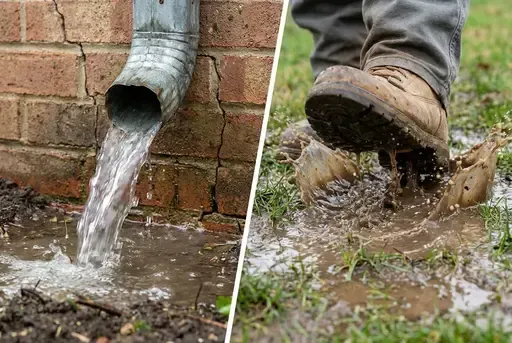
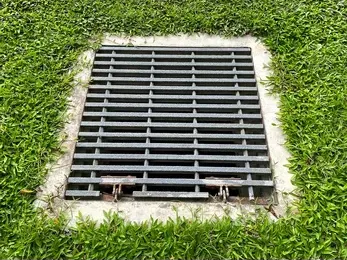
Water problems rarely start with a huge flood. Instead, they start with small clues. You might smell something musty in the basement, see a puddle that won’t go away, or notice soggy patches on your lawn. These little signs can quietly damage your home over time. If you ignore them, water can hurt your foundation, ruin your landscaping, and even cause mold inside your house. The good news is that there is a solution. Underground drains—like French drains, trench drains, and downspout lines—are designed to catch water and move it away from your home before it causes trouble. Whether you live in an area with heavy clay soil, lots of rain, or melting snow, managing water is key to protecting your property. This guide is for homeowners who want to keep their basements dry and their yards looking great. 1) What "Underground Drains" Mean Simply put, an underground drain is a buried system of pipes. Its job is to catch rainwater or groundwater and move it to a safe place away from your house. Because these systems are buried, they look much better than pipes laying on top of the grass. They also work better because they stop erosion and keep water away from your foundation. Here are the most common types you might hear about: French drain system : A perforated pipe (pipe with holes) buried in gravel and wrapped in fabric to soak up groundwater. Downspout underground drain : A solid pipe that connects to your gutters to move roof water far away. Trench drains : Grates you see in driveways or patios to catch surface water. Catch basins / Yard drains : A box with a grate on top, usually placed in a low spot in the yard to act like a bathtub drain. 2) Top Signs Your Home May Need an Underground Drain System How do you know if you need one? Here are the top 9 signs to look for. Sign #1: Water pooling near the foundation after rain If you see puddles forming right next to your house, or if the dirt there stays dark and wet for days, you have a problem. Why it matters: When water sits against your house, it pushes against the walls. This can cause cracks and leaks. The fix: French drains or downspout extensions can move this water away. Sign #2: Basement or crawl space dampness Does your basement smell musty? Do you see white powder (efflorescence) on the concrete walls or mold spots in corners? Why it matters: This means water from the outside is trying to get inside. The fix: An exterior French drain system is often the best way to stop groundwater from touching your walls. Sign #3: Your sump pump runs frequently If you have a sump pump, listen to it during a storm. If it turns on and off constantly, it means the soil around your house is full of water. Why it matters: Your pump is working overtime to save your basement. If the power goes out, you could flood. The fix: Underground drains can reduce the amount of water reaching your sump pump. Sign #4: Downspouts dump water right next to the house Take a look at your gutters. Do the downspouts end right at the bottom of the wall? Why it matters: Roofs collect a lot of water. Dumping it right next to your foundation is the #1 cause of basement leaks. The fix: Install downspout underground drains. These solid pipes take the water and release it safely further out in the yard. Sign #5: Erosion or washed-out mulch After a heavy rain, do you find your garden mulch washed onto the sidewalk? Do you see exposed tree roots? Why it matters: This means water is moving too fast across your yard. It is stripping away your topsoil. The fix: Trench drains or catch basins can slow the water down and capture it. Sign #6: Soggy lawn or standing water If you have a spot in your yard that stays squishy for 24 to 48 hours after rain, the soil can’t drink the water fast enough. Why it matters: This ruins grass, creates mud pits for pets, and breeds mosquitoes. The fix: A yard drain or a French drain in that specific low spot helps dry it out. Sign #7: Cracks in foundation, driveway, or patio Concrete is strong, but water is stronger. If water gets under your driveway and freezes, it expands and cracks the concrete. Why it matters: These cracks will only get bigger over time, leading to expensive repairs. The fix: Keep the soil under the concrete dry with underground drains. Sign #8: Water flows toward the home Look at the slope of your yard. Does the ground tilt toward your house instead of away from it? Why it matters: Gravity will always pull water to the lowest point. If that point is your house, you will have leaks. The fix: You need to intercept that water with a French drain or catch basin before it reaches your walls. Sign #9: Gutters overflow even when they are clean Sometimes, a heavy storm dumps water faster than your gutters can handle. Why it matters: This water spills over the edge and lands right on your foundation. The fix: You may need larger underground drain lines to handle the heavy flow from the roof. 3) Local Factors That Make Drains Necessary Where you live plays a big role in how well your yard drains. For example, soil type is a major factor; clay soil holds water like a bowl, while sandy soil lets it drain away easily. If you have heavy clay, you are much more likely to need help moving water. The shape of the land matters too. If you live at the bottom of a hill or slope, your neighbor's runoff naturally flows down to become your problem. Weather patterns and your specific neighborhood layout also contribute to drainage issues. Areas with heavy spring rains, rapid snowmelt, or hurricane seasons need stronger systems to handle the volume. In cities with tight lots, houses are often close together with lots of concrete driveways and patios. This leaves very little grass to soak up the rain, forcing the water to pool or run toward the foundation. 4) Choosing the Right Type of Drain Not all drains do the same job. You have to match the drain to the problem. A) French Drains (For Groundwater) Best for: Soggy soil, wet foundations, and water seeping out of a hillside. How it works: It’s a perforated pipe buried in gravel. It acts like a sponge to soak up water from the ground. B) Trench Drains (For Surface Water) Best for: Driveways, in front of garage doors, and on patios. How it works: It’s a long grate that catches water flowing across concrete so it doesn't enter your garage or home. C) Yard Drains / Catch Basins (For Low Spots) Best for: That one spot in the lawn that always looks like a pond. How it works: It’s a box with a grate that sits flush with the grass. It catches the puddle and sends it down a pipe. D) Downspout Underground Drain Lines (For Roof Water) Best for: Moving the massive amount of water that comes off your roof. How it works: Solid pipes connect to your gutters and carry water to a "pop-up emitter" or a safe exit point far away. 5) Quick At-Home Checks Before Calling a Pro You can do a little detective work yourself before hiring help. The next time it rains, put on your boots, grab an umbrella, and walk the property. Draw a simple map of where the water starts and where it pools. While you are out there, check the gutters to see if they are overflowing or if the downspouts are aiming water right at the house. Once the rain stops, take a closer look at your foundation walls. You want to look for "tide lines," which are dark stains or white powder near the bottom of the wall that indicate water has been sitting there. Finally, try the "squish test." Walk your yard the day after a storm. If the ground is still squishy under your feet, the soil isn't draining properly. 6) Common Mistakes to Avoid If a drain isn't installed right, it won't work, so it helps to know the common pitfalls. The biggest mistake is installing pipes with no slope. Water only runs downhill, so if the pipe is flat, water will sit inside, grow algae, and eventually clog. It is also critical to install cleanouts so you can maintain the system if leaves get inside, and to use the correct filter fabric to prevent dirt from clogging the pipe. Another serious mistake involves illegal connections. In most places, it is against the law to connect your rain drains to the sanitary sewer (the pipe for your toilet). Doing this can overwhelm the city system and cause sewage backups for the whole neighborhood. Always make sure your water discharges to a safe, legal spot in your yard or a storm drain. 7) What Installation Depends On You might be wondering about the effort involved in getting a system installed. It isn't a "one size fits all" job, and the complexity depends on several things. The length of the pipe run matters, as does the difficulty of the digging. For example, digging through rocky soil takes much longer than digging through sand, and navigating around tree roots, sidewalks, or driveways adds time to the project. Local rules also play a part, as some cities require permits to modify drainage or connect to storm sewers. While installing a proper underground drain system is an investment, it protects your foundation and saves you from much more expensive repairs later on. Conclusion Water is a powerful force, but you can control it. If you are seeing pooling water, damp basements, erosion, or soggy lawns, don't wait. These are signs that your home needs help. Underground drains—whether it's a French drain for groundwater or a downspout line for roof rain—are a durable fix, not just a temporary patch. Next time it rains, take a look around. If you see the signs, it might be time to call a drainage professional to keep your home dry and safe.
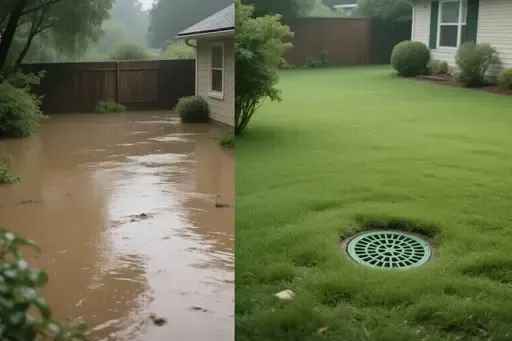
If you live in Wichita, you know the drill. Spring arrives, and so do the storms. One minute it is sunny, and the next, the sky turns green and dumps inches of rain on your lawn. Because Kansas is so flat, that water often has nowhere to go. It is frustrating to look out your window and see a "lake" forming in your backyard. It is even scarier when that water starts creeping toward your home’s foundation. The biggest problem in Sedgwick County is the soil. We have heavy clay soil. Clay acts like a bowl; it holds water instead of letting it soak into the ground. If you are a homeowner here, you want to protect your biggest investment—your house. You know you need a fix, but you probably have one big question: "How much is this going to cost?" "Underground drain" is a big term. In this guide, we will break down the prices for the most common solutions: French drains, trench drains, catch basins, and dry wells, specifically for the Wichita area.
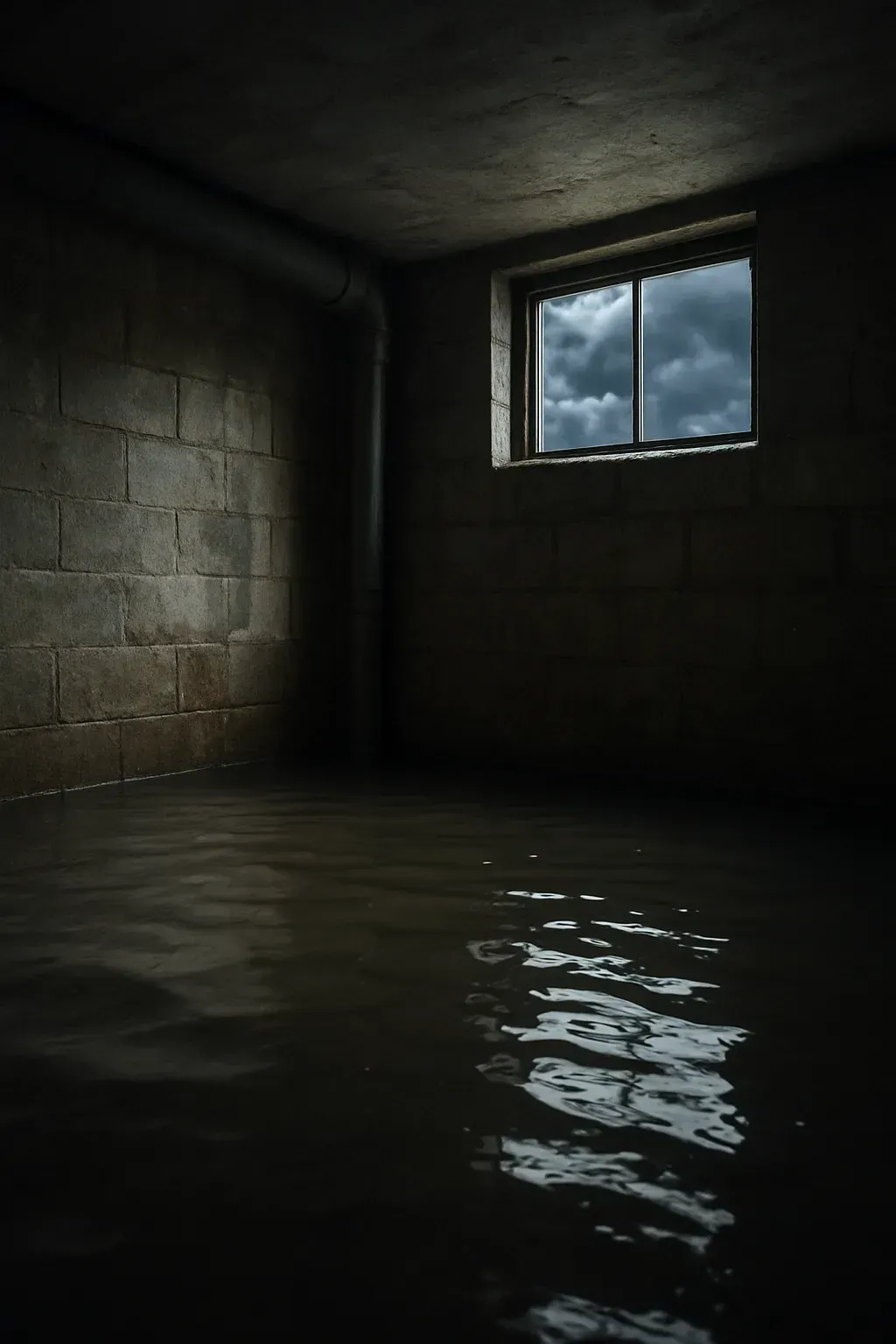
Last spring's storms hit Wichita hard. They didn't just bring lightning and hail—they left hundreds of homeowners with water in their basements. After every big storm in Kansas, local water damage companies get busy. Homeowners call because they found water where it should never be. If you're dealing with a wet basement right now, you're not alone. This happens all over Wichita. It doesn't matter if you live in College Hill or West Wichita. Water in basement problems affect homes everywhere in our city. Here's the good news: Most basement water issues come from just three things. Bad gutters, wrong yard grading, or broken drains. Even better—once you find the real problem, you can usually fix it before the next storm hits. This guide will help you figure out what's causing your basement flooding. By the end, you'll know exactly what to do to keep your Wichita home dry when the next storm rolls in.
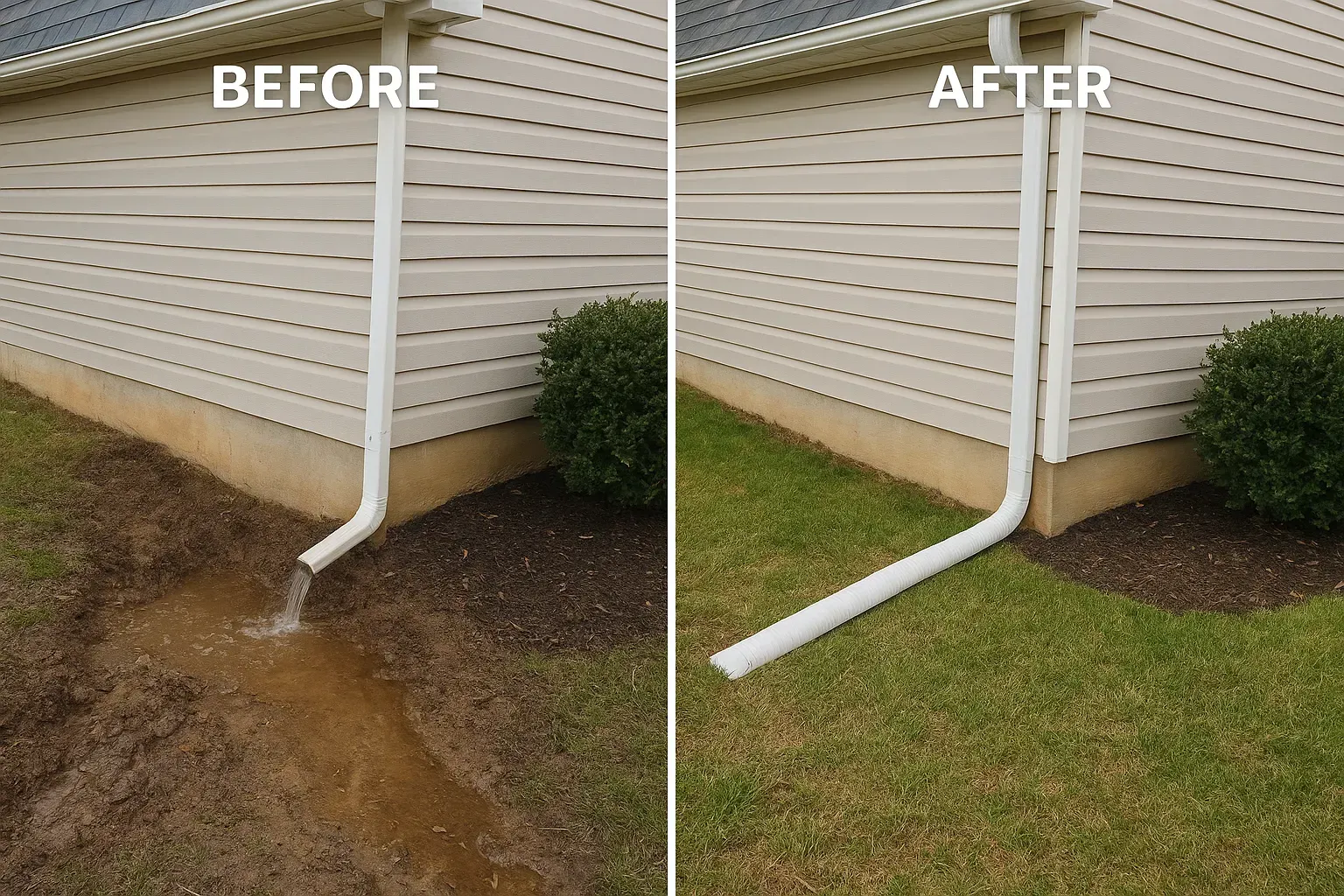
Compare cost-effective gutter downspout extensions versus long-term French drain systems to discover the best solution for keeping your Wichita home protected